
Introduction
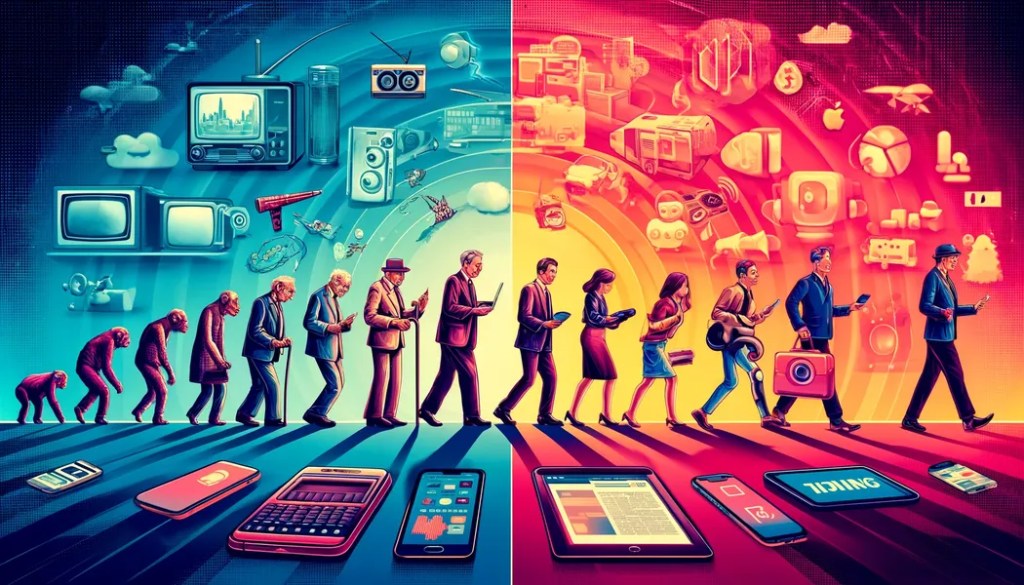
The influence of generational dynamics on mainstream media is a subject of growing importance in an era where technological advancement and media consumption habits are evolving at a rapid pace. With Gen-Z emerging as a significant demographic force, the question arises: Can mainstream media, traditionally shaped by older generations, adapt and survive this seismic shift? This article explores the characteristics and media consumption trends of Gen-Z, Gen-X, and older generations, analyzes the impact of Gen-Z’s preferences on mainstream media, and examines the adaptation strategies employed by media outlets to stay relevant.
Generational Overview
Gen-Z: Born between 1997 and 2012, Gen-Z is characterized by its deep integration with technology from a young age. This generation is known for its digital fluency, preference for visual content, and a tendency to consume media on mobile devices. They value authenticity, social justice, and real-time engagement.
Gen-X: Born between 1965 and 1980, Gen-X is often seen as the bridge between the pre-digital and digital eras. Known for their adaptability and independence, this generation experienced the advent of personal computers and the internet during their formative years. They consume a mix of traditional and digital media but lean towards convenience and practicality.
Older Generations: This group includes Baby Boomers (born 1946-1964) and the Silent Generation (born 1928-1945). They grew up in a predominantly analog world, with TV, radio, and newspapers as primary media sources. While many have embraced digital technology, their media habits remain more traditional compared to younger generations.
Media Consumption Trends
Gen-Z: Prefers digital and social media platforms, streaming services, and short-form content. They are less inclined towards traditional media like TV and newspapers. According to a 2022 report by Pew Research Center, 95% of teens have access to a smartphone, and 45% say they are online ‘almost constantly’. Platforms like TikTok, Instagram, and YouTube dominate their media landscape.
Gen-X: Exhibits a balanced approach, consuming both traditional and digital media. They still watch TV but also engage with streaming services and social media. A 2021 Nielsen report indicated that Gen-X spends an average of 32 hours a week on digital content, with significant time still dedicated to television.
Older Generations: Predominantly consume traditional media but are gradually adopting digital platforms. Television remains a staple, with Baby Boomers averaging around 5 hours of TV per day according to AARP. Newspapers and radio also hold significant value, though digital news consumption is on the rise.
Impact of Gen-Z
Preferences and Behaviors: Gen-Z’s media consumption is heavily influenced by their desire for instant gratification, interactive content, and social connectivity. They favor platforms that offer user-generated content, personalized experiences, and on-demand access. Traditional media’s one-way communication model and scheduled programming often fail to meet these expectations.
Effects on Mainstream Media: The preference for digital platforms among Gen-Z poses a challenge to mainstream media’s traditional revenue models, particularly those reliant on advertising and subscription fees from print and broadcast. For instance, the decline in cable TV subscriptions and newspaper circulation can be directly linked to Gen-Z’s shift towards digital content.
Adaptation Strategies by Mainstream Media
To remain relevant, mainstream media outlets have embarked on various adaptation strategies. Here are some notable examples:
Digital Integration: Many traditional media companies have developed robust online presences. The New York Times, for instance, has successfully transitioned to digital subscriptions, with digital revenue surpassing print for the first time in 2020.
Social Media Engagement: Mainstream media has embraced social media to reach Gen-Z. News outlets like BBC and CNN use platforms like Instagram and Twitter to deliver bite-sized news updates and engage with younger audiences.
Content Personalization: Streaming services like Netflix and Hulu have revolutionized media consumption with personalized content recommendations. Traditional TV networks are now offering on-demand services to compete in this space.
Interactive and Immersive Content: Embracing interactive content formats, such as live streaming and virtual reality (VR), has become crucial. The Washington Post, for example, has experimented with VR storytelling to provide immersive news experiences.
Collaborations with Influencers: Partnering with social media influencers to create content and reach wider audiences is another strategy. This approach leverages the credibility and reach of influencers to attract Gen-Z viewers.
Future Predictions
As Gen-Z continues to grow in influence, the future of mainstream media will likely see significant transformations. Several potential scenarios emerge:
Hybrid Models: The future may witness a blend of traditional and digital media, where legacy media companies fully integrate digital platforms, offering both live and on-demand content. This hybrid model could cater to the diverse preferences of multiple generations.
Increased Focus on Authenticity: With Gen-Z valuing authenticity and transparency, media outlets will need to adopt more genuine and relatable content strategies. This shift could lead to a more democratized media landscape, where user-generated content plays a larger role.
Diversified Revenue Streams: To offset declining traditional revenue, media companies will explore new monetization strategies, such as premium subscriptions, sponsored content, and e-commerce integrations.
Enhanced Interactivity: The rise of technologies like augmented reality (AR) and VR could revolutionize media consumption, offering highly interactive and immersive experiences that appeal to Gen-Z’s desire for engagement.
Conclusion
The sustainability of mainstream media in the face of generational shifts hinges on its ability to adapt to changing preferences and consumption habits. Gen-Z’s dominance demands a reevaluation of traditional media models, with a focus on digital integration, personalized content, and interactive experiences. While the future may present challenges, it also offers opportunities for innovation and transformation. By embracing these changes, mainstream media can not only survive but thrive in an evolving digital landscape.
In summary, the transition of influence from older generations to Gen-Z presents both challenges and opportunities for mainstream media. The key to sustainability lies in adaptability, authenticity, and a willingness to embrace new technologies and trends. As Gen-Z continues to shape the media landscape, the future of mainstream media will be defined by its capacity to evolve and meet the demands of a digitally-savvy audience.

 EssayBoard
Leave a comment