
politics
-
The Future of Prices in an Automated Economy
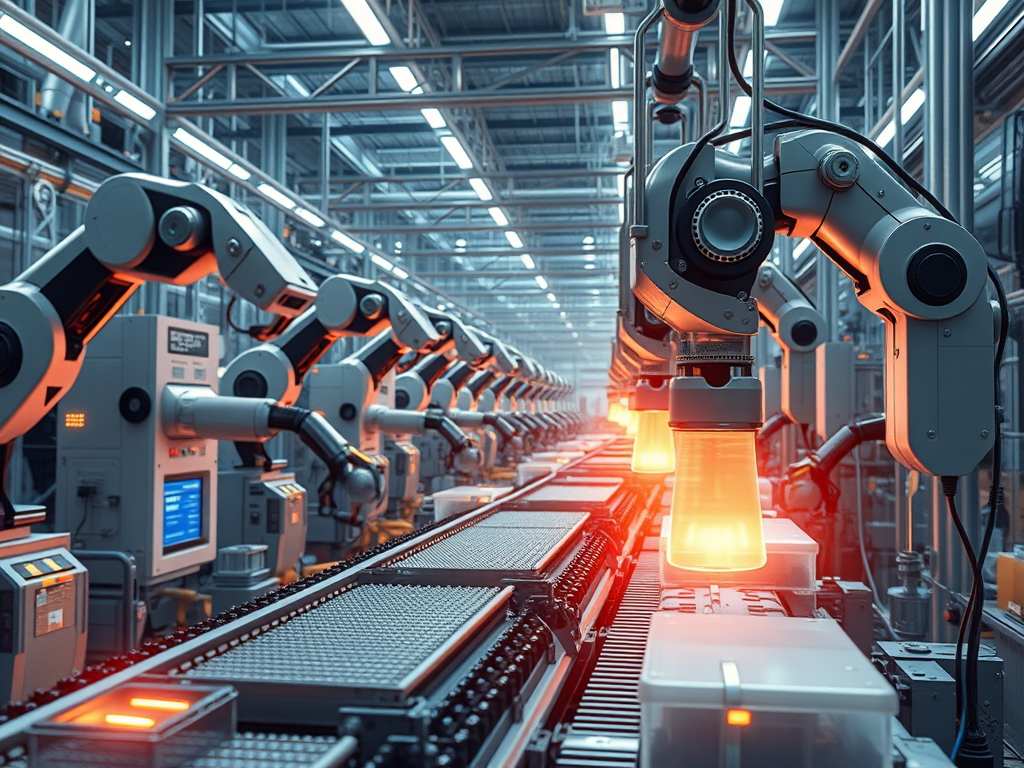
1. Labor Costs Vanish When Machines Take Over Traditionally, rising labor costs have been a major driver of inflation. Wages go up → businesses pass costs on to consumers → prices climb across the board. But in a fully automated economy: That alone chips away at one of the fundamental pillars of inflation. 2. Production… Continue reading
-
China vs India: Economic Models Under the Microscope

As global economic trends shift toward reindustrialization and supply chain resilience, the contrast between China’s deflationary, export-led model and India’s inflationary, service-led economy is becoming ever more pronounced. While some pundits argue that India’s dynamism and youthful demographic promise future growth, there are significant structural challenges that raise doubts about its ability to catch up—and… Continue reading
-
Understanding China’s Deflation Strategy and Its Military Implications
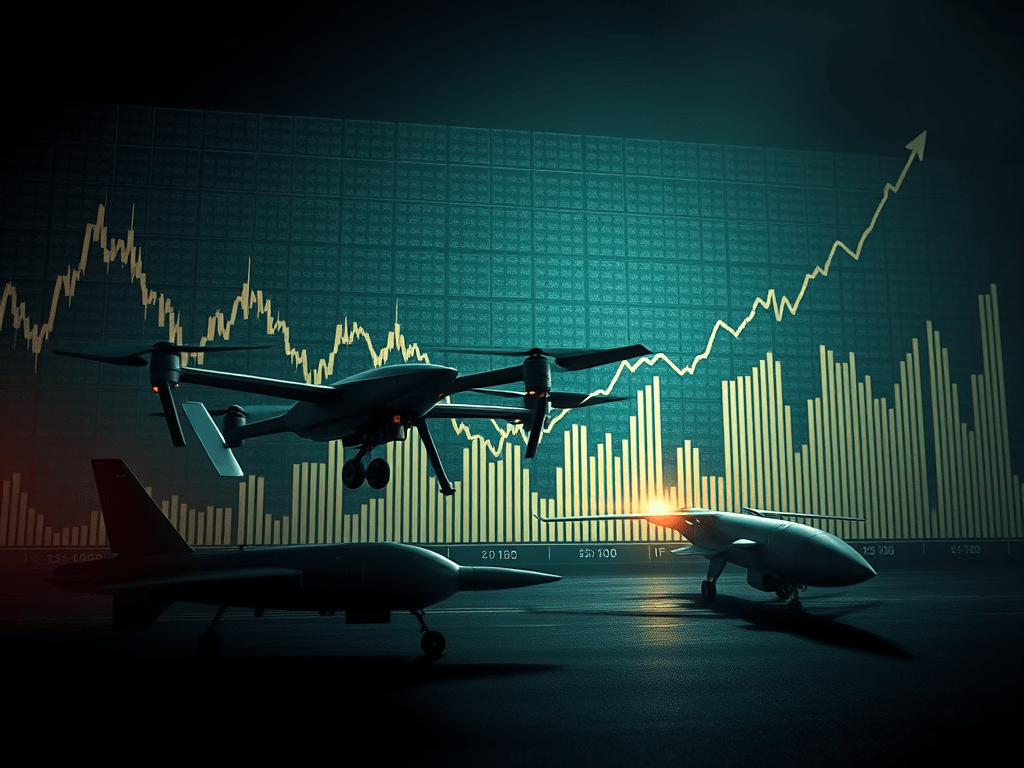
📌 Disclaimer This article was generated with the assistance of artificial intelligence (AI) and is intended for informational and analytical purposes only. While efforts have been made to ensure accuracy, the content may include interpretations, extrapolations, or hypothetical scenarios based on current publicly available data. This content does not constitute financial, political, or military advice.… Continue reading
-
Navigating the Future: U.S. Response to Titanium Supply Challenges

Over the past year, China has placed several critical materials under export restrictions, particularly those with dual-use applications—metals essential for both civilian and military industries. This began with gallium, germanium, and antimony, followed by tungsten. Now, there is growing concern that titanium may be next. Titanium is an indispensable material in aerospace, defense, and—crucially—the robotics… Continue reading
-
China’s Goldilocks Zone: Geopolitical Advantages Explored

In the grand chessboard of global geopolitics, China has found itself in a Goldilocks Zone—a position where it is neither too exposed nor too passive, where external events unfold in ways that benefit its long-term strategic goals. Unlike the U.S., which is overstretched by conflicts and financial burdens, or Russia, which is locked in a… Continue reading
-
America’s Strategic Reset: Preparing for China’s Rise
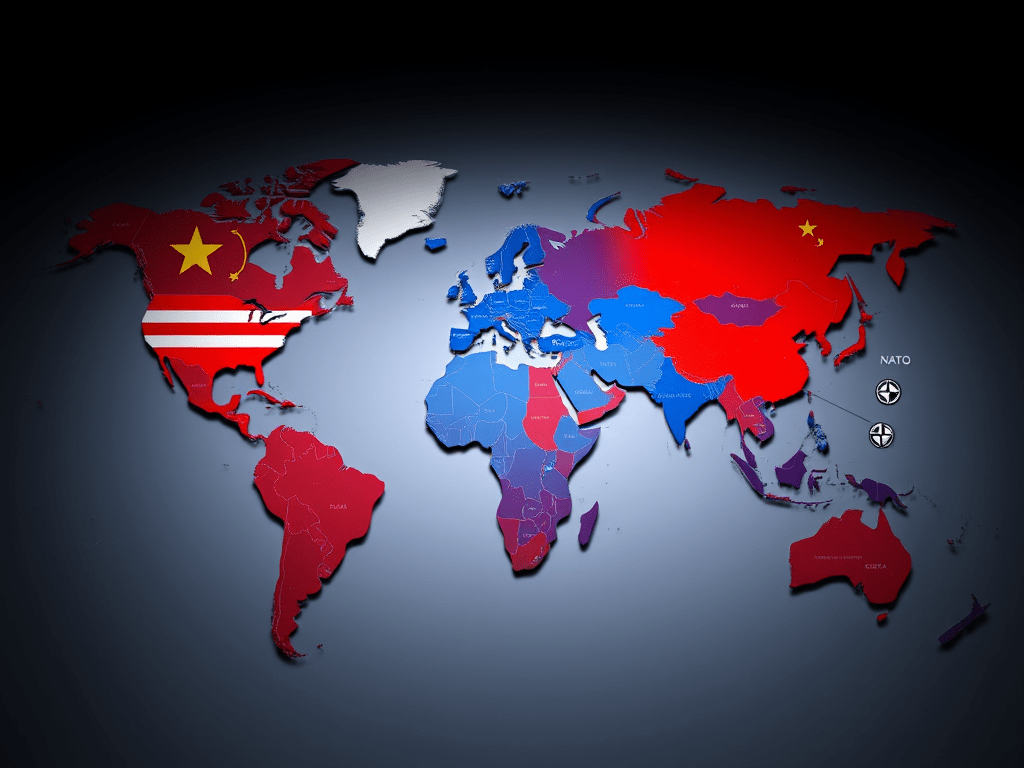
In recent years, debates about NATO’s relevance and the future of U.S. global strategy have intensified. Many pundits see Trump’s recent moves—such as sidelining European voices from Ukraine negotiations with Russia—as reckless or isolationist. But what if these actions are part of a bold, long-term strategy? What if the U.S. is stepping back to rebuild… Continue reading
-
The Real Cost of Tariffs: Who Pays the Price?

Disclaimer: This article was generated with the assistance of AI and is based on publicly available information, including a YouTube video referenced for factual accuracy. While every effort has been made to ensure the content is informative and well-reasoned, readers should conduct their own research and verify details before drawing conclusions. The views expressed in… Continue reading
-
The Case for UBI as Economic Stimulus Amidst National Debt

Disclaimer: This article was generated with the assistance of AI and is for informational and discussion purposes only. While efforts have been made to ensure accuracy, mistakes, miscalculations, or oversimplifications may be present. Economic and financial topics are complex, and interpretations may vary. This content should not be taken as financial, economic, or policy advice.… Continue reading
-
Comparing China: Qin, Han, Cold War Russia, and Germany

China’s rapid rise as a global power has led to countless comparisons to historical empires and nations. Is China today more like Qin during the Warring States Period, Han during its imperial zenith, Cold War-era Soviet Russia, or Germany in the World Wars? Each comparison offers unique insights into China’s current trajectory, strategies, and challenges.… Continue reading
 EssayBoard