
trade
-
What If the U.S. Sanctions China from the Dollar System? A Global Shockwave

Imagine a world where the United States imposes sanctions on China, cutting it off from the U.S. dollar system. Such a move would not just ripple through global markets; it would trigger a financial and geopolitical earthquake. While this scenario may sound extreme, it’s worth exploring the implications for China, the U.S., and the broader… Continue reading
-
China’s Dollar Bonds: A Game-Changer in Global Finance?

In the latest episode of Deep Dive, we explore a fascinating shift in the world of global investments. For the first time, China’s dollar bonds have achieved lower yields than U.S. Treasuries, traditionally seen as the safest and most stable investments. This surprising development raises some important questions: Why are investors flocking to Chinese bonds,… Continue reading
-
Unintended Consequences: How the West’s Friendshoring Strategy Is Deepening India’s Ties with China

As the world becomes more interconnected, global supply chains have grown increasingly complex. In recent years, geopolitical tensions have prompted Western nations to reconsider their reliance on China as a manufacturing hub. In response, many companies have adopted a strategy known as “friendshoring,” moving their supply chains to countries that are considered more politically aligned… Continue reading
-
Italy’s Diplomatic Pivot: Strengthening Ties with China Amidst Geopolitical Complexity

Italy’s recent diplomatic maneuvers to bolster ties with China have sparked significant discussion and speculation in the international community. Prime Minister Giorgia Meloni’s visit to China signifies a strategic effort to reset and strengthen Italy’s economic and political relations with the Asian giant. This article delves into the motivations behind Italy’s actions, the agreements signed,… Continue reading
-
Exclusivity Alliances vs. Inclusivity Alliances: A Comparative Analysis of G7 and BRICS Plus

International alliances have long played a pivotal role in shaping global governance, fostering economic cooperation, and addressing transnational challenges. Among these, exclusivity alliances like the Group of Seven (G7) and inclusivity alliances such as BRICS Plus represent contrasting approaches to international collaboration. This article delves into the historical background, key characteristics, objectives, and impacts of… Continue reading
-
The Unpredictable Shift Towards a Multipolar World: Lessons from History and Contemporary Challenges
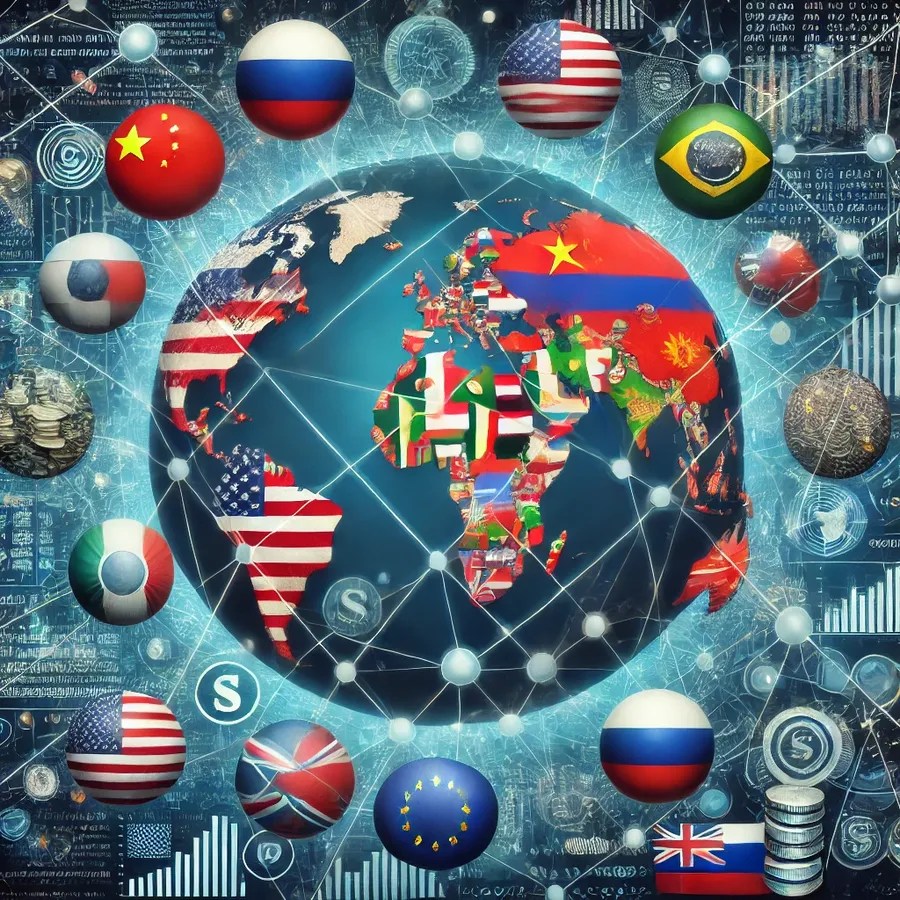
The current global geopolitical landscape is reminiscent of the tumultuous periods of the past, where the rise and fall of great powers reshaped international relations. As we navigate through a rapidly changing world, it’s essential to draw lessons from history, particularly the Cold War, and analyze contemporary challenges to understand the potential future of global… Continue reading
-
Japan’s Inclusion on the Currency Watchlist: Analyzing Economic Health, Trade Strategies, and Future Relations with the U.S. and China
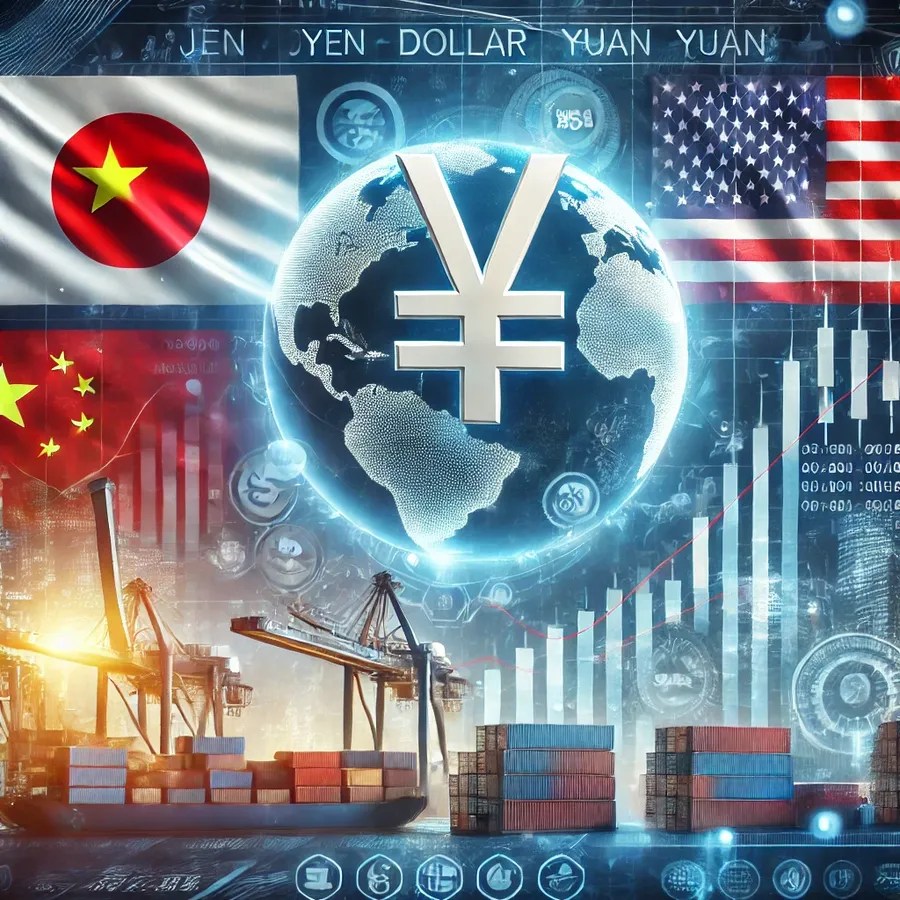
Japan’s recent addition to the United States’ currency watchlist alongside countries like China, Vietnam, Singapore, India, and Taiwan highlights ongoing concerns over currency practices among major trading partners. This inclusion prompts a closer examination of Japan’s current economic health, its approach to trade, particularly its strategy regarding U.S. Treasury holdings, and the broader implications for… Continue reading
-
China and ASEAN: A Comprehensive Analysis of Their Trade Relationship

China’s rapid economic expansion over the past few decades has significantly reshaped global trade dynamics. Among its numerous trading partners, the Association of Southeast Asian Nations (ASEAN) has emerged as a crucial ally, consistently holding the position of China’s largest trading partner for several years. This enduring relationship is underpinned by robust economic strategies, extensive… Continue reading
-
BRICS’s Innovative Strategy: Embracing a Multi-Modal World

Introduction The BRICS coalition—comprising Brazil, Russia, India, China, and South Africa—is at a pivotal moment in its evolution. With 59 countries expressing a desire to join, BRICS is reconsidering its expansion strategy. Rather than merely adding new members, BRICS is focusing on a more inclusive and interconnected framework. This innovative approach could revolutionize global cooperation,… Continue reading
 EssayBoard