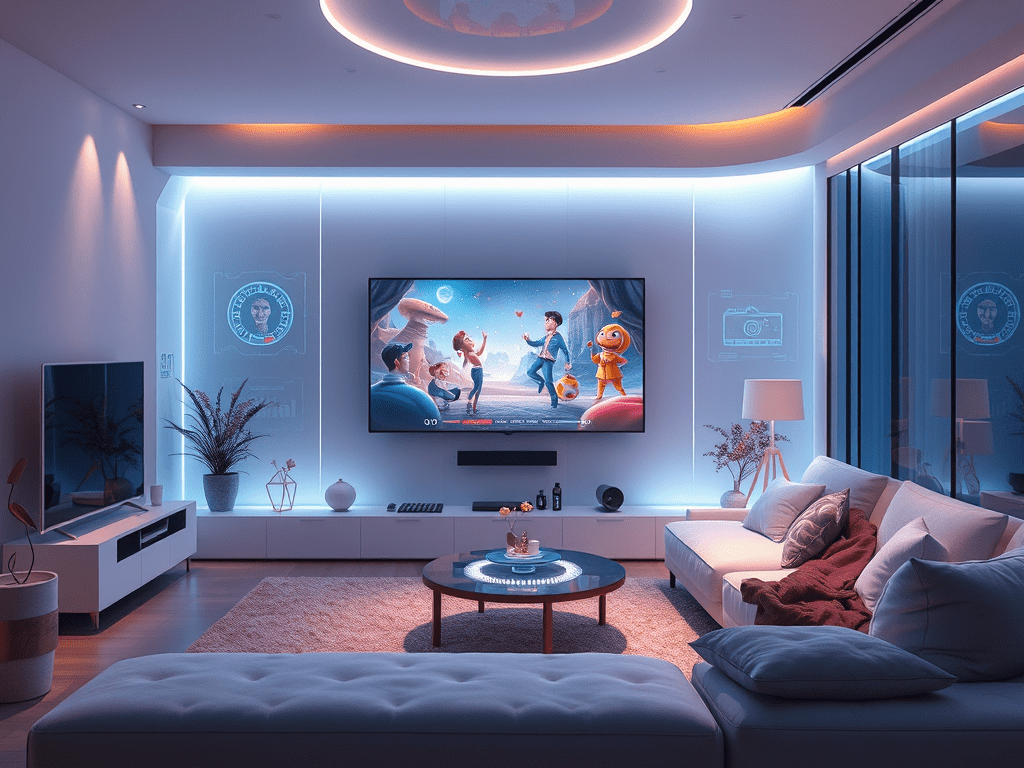
Imagine this: instead of scrolling endlessly through a streaming library, you simply tell an AI what kind of movie you want to watch. In less than 30 seconds, a fully unique, never-before-seen film—crafted specifically for you—begins streaming in your living room. Welcome to the future of entertainment, where generative AI reshapes storytelling, creativity, and content consumption.
This isn’t just a futuristic dream. Advances in AI, like OpenAI’s Sora, hint at a paradigm shift where anyone can create, experience, and share custom-made movies that rival Hollywood productions. In this blog post, we explore how AI-driven streaming platforms could revolutionize the entertainment industry and the challenges we must overcome to realize this vision.
The Vision: AI as the Ultimate Movie Creator
A Streaming Service Like No Other
Imagine a platform where you’re not limited to a predefined library. Instead, you describe the kind of story you want to watch:
- “A heartfelt romance set in a futuristic city, with stunning visuals and a bittersweet ending.”
- “A mind-bending thriller with twists like Inception, but with a touch of dark comedy.”
In seconds, the AI generates a polished movie complete with:
- Photorealistic visuals: Characters, environments, and effects indistinguishable from real life.
- Dynamic storytelling: Plots that adapt to your preferences, tone, and pacing.
- Emotional voice acting and music: AI-powered voice synthesis and custom soundtracks to bring the story to life.
Each movie is entirely unique, tailored to your mood, preferences, and imagination. It’s the ultimate in personalization—an experience no one else in the world has had before.
Why This Vision Is a Game-Changer
- Infinite Creativity
With AI at the helm, there are no limits to the number of stories that can be told. Every idea, no matter how niche or abstract, can come to life. This empowers users to experience content that perfectly matches their tastes and emotions. - Democratizing Storytelling
Creating high-quality films has traditionally been the domain of big studios with massive budgets. AI could put these tools into the hands of individuals, enabling anyone to become a storyteller. From aspiring filmmakers to everyday dreamers, the possibilities are endless. - No More Content Fatigue
Tired of reboots, sequels, and remakes? AI-generated content ensures fresh, original stories every time. Say goodbye to the feeling that you’ve seen it all before. - Interactive and Adaptive Media
AI could make movies semi-interactive, offering branching storylines or dynamic narratives that change based on viewer input—a fusion of gaming and traditional cinema.
Challenges to Overcome
1. Technical Hurdles
Creating a high-quality, coherent 90-minute movie requires advancements in multimodal AI (text, image, video, and audio generation). Current AI systems excel in isolated tasks, like generating images or short text, but struggle with long-form coherence.
2. Copyright and Legal Frameworks
AI-generated content raises significant questions:
- Who owns the rights to a movie created by AI? The user, the AI developer, or no one?
- How do we address potential copyright infringement if AI inadvertently replicates elements from its training data?
A new legal framework is needed to define ownership, sharing rights, and ethical guidelines for AI-generated works.
3. Maintaining Quality
Audiences expect Hollywood-level quality. Ensuring consistent visuals, storytelling, and emotional depth in AI-generated content is a major challenge.
4. Ethical Concerns
Will AI replace human creativity, devaluing the role of artists and filmmakers? Striking a balance between human and AI collaboration is crucial to preserving the artistry of storytelling.
The Future of Copyright: Adapting to a New Era
To enable widespread adoption of AI-powered streaming, copyright laws must evolve. Here are some potential approaches:
- User Ownership of AI Creations: Treat users as the “creators” of AI-generated content based on their inputs.
- Collaborative Copyright: Recognize joint ownership between users and the AI platform.
- AI-Specific Copyright: Develop new laws tailored to AI-generated works, ensuring clarity and fairness.
- Public Domain Model: Place all AI-generated content in the public domain, promoting free and open sharing.
Platforms could also implement licensing options, allowing users to choose how their creations are shared or monetized.
A New Era for Sharing and Creativity
AI-generated movies wouldn’t just be for private viewing. Platforms could enable users to share their creations with others, fostering a vibrant community of unique storytellers. Imagine a “Netflix of AI Creations” where every film is original and tailored to its creator’s vision.
- Revenue Opportunities: Users could monetize their creations through revenue-sharing models.
- Global Storytelling Renaissance: A new wave of diverse, global stories could emerge, breaking down traditional barriers to entry in filmmaking.
Conclusion: A Creative Renaissance Awaits
AI-powered streaming platforms have the potential to transform entertainment as we know it. By empowering users to create and experience unique movies on demand, these systems could democratize creativity, eliminate content fatigue, and spark a new era of storytelling.
However, achieving this vision will require significant advancements in AI technology, thoughtful legal frameworks, and a commitment to balancing human and AI collaboration. If we can overcome these challenges, the future of entertainment could be more exciting, inclusive, and personalized than ever before.
Are you ready to watch the movie of your dreams—created just for you?

 EssayBoard
Leave a comment