

In the dynamic and ever-evolving world of commerce, where trends can both shape and shake markets, staying ahead often means thinking outside the box with innovative concepts. Today, we will explore a speculative trend that bridges cultural heritage with modern business practices, using the traditional dish Chǎo Nián Gāo as a metaphorical muse. It’s important to note that the ideas and scenarios discussed in this article are purely hypothetical and intended to inspire thinking about the future possibilities of commerce.

Why Chǎo Nián Gāo as a Muse?
Chǎo Nián Gāo, or stir-fried rice cakes, is deeply embedded in Chinese cultural traditions, especially during Lunar New Year celebrations. This dish is an excellent metaphor for the fusion of tradition and innovation for several reasons:
- Cultural Richness and Versatility: Chǎo Nián Gāo is a dish that varies widely across different regions of China, reflecting the diversity and adaptability of cultural traditions. This versatility makes it a prime example of how traditional elements can be adapted to suit new tastes, environments, and audiences, mirroring how businesses can innovate while maintaining their cultural roots.
- Symbolism of Longevity and Prosperity: In Chinese culture, Nián Gāo is considered auspicious, symbolizing a higher year or increasing prosperity. Using it as a muse, businesses can highlight their aims for growth and sustainability, resonating with consumers who value both progress and tradition.
- Simplicity to Complexity: The basic ingredients of Chǎo Nián Gāo are simple, yet the dish’s preparation can involve complex techniques and flavors. This reflects how businesses can take simple, well-understood traditional concepts and transform them into sophisticated, modern products that meet contemporary needs and expectations.
- Global Appeal: While Chǎo Nián Gāo is traditionally Chinese, its basic ingredients—rice and water—are universally recognized and consumed. This universal foundation combined with local flavors is akin to global brands using local elements to appeal to international markets.
Applying the Muse to Business Concepts
Using Chǎo Nián Gāo as a muse, businesses can explore ways to integrate traditional cultural elements with modern innovations in various domains:
- Product Development: Companies can develop products that blend traditional aesthetics or functionalities with modern design principles or technology. For instance, a kitchenware brand could create a modern version of the pot traditionally used to cook Nián Gāo but equipped with smart technology to control cooking temperatures precisely.
- Marketing Strategies: Marketing campaigns can draw on the rich cultural symbolism of Chǎo Nián Gāo, emphasizing themes of growth, prosperity, and tradition. This approach can be particularly effective in storytelling, creating narratives that connect customers with the brand’s heritage and vision for the future.
- Customer Engagement: The communal aspect of eating Chǎo Nián Gāo during festive times can inspire businesses to foster community among their consumers. For example, a company could host events or online forums that celebrate cultural traditions while introducing innovative products or services.

Hypothetical Fusion of Tradition and Innovation
Imagine a world where businesses leverage traditional elements, occasionally exemplified by Chǎo Nián Gāo, a beloved Chinese New Year dish, blending them with contemporary marketing strategies. This hypothetical trend would see companies infusing cultural authenticity into their products and services, appealing to consumers’ growing appetite for meaningful, heritage-rich experiences.
Why Blend Tradition with Innovation?
In today’s global marketplace, consumers are increasingly seeking authenticity and a deeper connection to the products they purchase. There is a growing trend towards sustainability, local sourcing, and products with a story. By integrating traditional practices or motifs, businesses can tap into this sentiment, offering products that are not only unique but also resonate with cultural heritage. This approach can differentiate products in a crowded market and build a strong, loyal customer base.
Moreover, tradition often carries with it connotations of quality and craftsmanship, which are highly valued in sectors like fashion, food, and even technology. By marrying these traditional qualities with modern business practices, companies can enhance their brand prestige and perceived value.
How Can Businesses Implement This Trend?
- Fashion Industry: Brands could use traditional fabrics or indigenous patterns in their designs while incorporating cutting-edge fashion technology like 3D printing or smart fabrics. For example, a fashion label might use traditional Japanese Shibori dyeing techniques in garments that incorporate modern wearable technology.
- Food and Beverage: Beyond dishes like Chǎo Nián Gāo, beverage companies could create craft spirits infused with herbs and botanicals used in traditional medicines, marketing these products not just as drinks but as an experience linking back to ancient practices.
- Technology: Tech companies could look at traditional designs and crafts to inspire the aesthetics of their products. A tech gadget could feature a casing made from sustainably sourced wood, influenced by Scandinavian or Japanese woodcraft, marrying minimalist design with modern technology.
- Tourism and Hospitality: Hotels and resorts could design experiences or spaces that reflect the cultural heritage of their location, using local materials and construction techniques while ensuring modern comfort and technology are seamlessly integrated.
- Cosmetics and Beauty: Brands might develop beauty products that use traditional ingredients known for their beneficial properties, such as turmeric or matcha, combined with the latest in skincare science to appeal to both health-conscious and culturally interested consumers.
Applying the Muse to Business Concepts
While we explore the hypothetical applications of Chǎo Nián Gāo as a muse for blending tradition with innovation, several companies across different sectors have already seen considerable success by integrating cultural elements into their modern business practices. Let’s look at some prominent examples:
- Nike: Known for its innovative athletic wear, Nike has repeatedly tapped into cultural heritage to inspire its product lines. For instance, Nike’s N7 collection is specifically designed to honor Native American communities, incorporating indigenous patterns and designs into its sportswear. This approach not only celebrates cultural diversity but also connects the brand with a broader audience, showing how tradition can breathe new life into modern products.
- Apple: Apple’s product design often pays homage to the minimalist aesthetics found in Japanese art and design. The influence of Zen Buddhism, which emphasizes simplicity and the essence of objects, can be seen in the clean, uncluttered lines of Apple products. This blend of tradition and modernity helps Apple stand out in the technology sector, where design and functionality go hand in hand.
- Levi’s: Levi Strauss & Co. has innovated while maintaining its deep-rooted heritage in denim craftsmanship. The brand combines traditional techniques with modern sustainability practices, such as using recycled materials and less water in production processes, to meet contemporary environmental concerns while still delivering the classic styles for which they are known.
- L’Occitane en Provence: This brand harnesses traditional methods of using natural ingredients from the Provence region of France in its skincare products. By combining these age-old practices with modern extraction techniques, L’Occitane not only preserves the botanical heritage of Provence but also meets modern standards of eco-friendly production and efficacy.

Speculative Benefits of Resilience and Adaptability
In this speculative scenario, the traditional dish Chǎo Nián Gāo serves as more than just a culinary delight—it symbolizes resilience and adaptability, qualities that are vital to thriving in today’s dynamic commercial landscape. The nature of Chǎo Nián Gāo, which has adapted over generations to suit different regional tastes and ingredients, provides a perfect metaphor for how businesses could incorporate these enduring qualities into their strategies, potentially achieving unique innovation and a standout presence in a competitive market.
Why Resilience and Adaptability Matter
- Resilience in Tradition: Chǎo Nián Gāo’s resilience mirrors the ability of businesses to endure through challenging times. Just as this dish has sustained its popularity through various economic and social changes over centuries, businesses that embed resilience into their operations are more likely to withstand market fluctuations and consumer shifts. This could involve diversifying product lines, exploring new markets, or maintaining high levels of customer service during downturns.
- Adaptability in Innovation: Adaptability is about more than survival; it’s about evolving to meet changing needs. Chǎo Nián Gāo has adapted across different Chinese provinces, incorporating local ingredients and cooking styles, much like businesses need to adapt their offerings for different cultural contexts or technological advancements. For example, a fashion retailer might incorporate eco-friendly materials in response to growing environmental concerns, maintaining relevance and appeal among modern consumers.
How Businesses Can Harness These Qualities
- Strategic Flexibility: Companies can learn from the adaptability of Chǎo Nián Gāo by remaining flexible in their strategic planning. This might mean adopting a modular approach to product development, where components can be quickly reconfigured to meet changing consumer preferences or technological updates.
- Cultural Sensitivity: Just as Chǎo Nián Gāo respects its cultural origins while embracing regional variations, businesses can benefit from a deep understanding and integration of cultural nuances in their marketing and product development. This sensitivity can open up new markets and deepen loyalty among existing customers.
- Innovative Problem-Solving: Embracing resilience could inspire businesses to think creatively about overcoming challenges. This could involve innovative logistics solutions, such as using predictive analytics to better manage supply chains, much like anticipating ingredient availability for making Chǎo Nián Gāo during festival seasons.
Potential Impact
By adopting the resilience and adaptability symbolized by Chǎo Nián Gāo, businesses might not only survive but thrive by turning potential challenges into opportunities for growth and innovation. This approach could lead to distinctive competitive advantages, such as faster response times to market changes, higher customer satisfaction through tailored experiences, and greater operational efficiencies.
Imagined Community and Connection
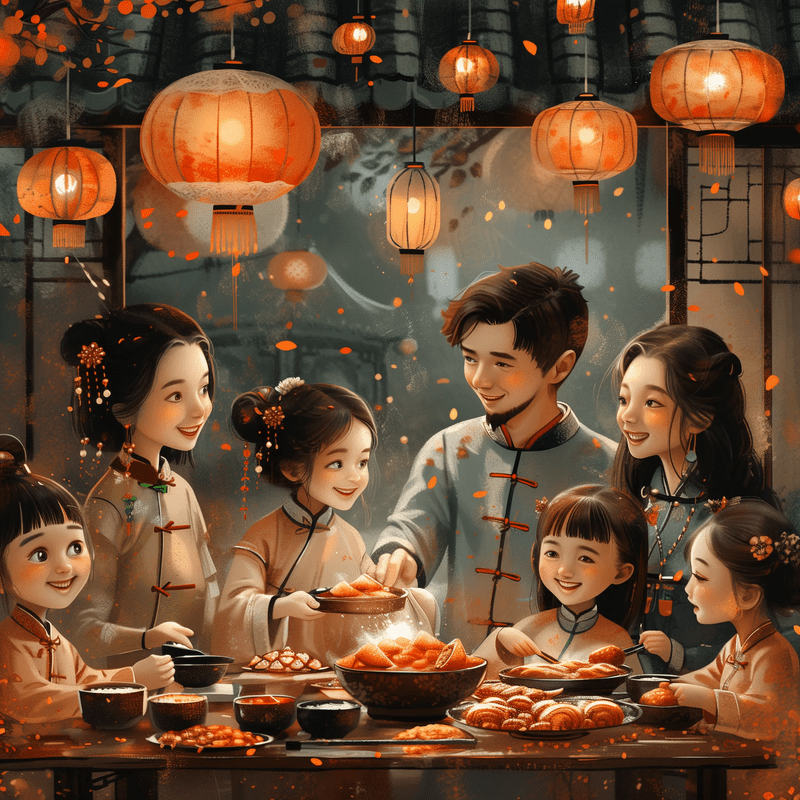
This hypothetical trend emphasizes the communal nature of traditional foods, such as Chǎo Nián Gāo, which is often shared among family and friends during festive celebrations. The practice of coming together to enjoy a meal is a powerful symbol of unity and belonging, offering valuable lessons for businesses looking to strengthen ties with their customers.
Why Community and Connection Are Vital in Business
- Building Emotional Engagement: Sharing food is a universal language of hospitality and care. By incorporating the values associated with communal eating into their customer engagement strategies, businesses can create emotional resonance with their audience. This might involve storytelling that highlights the communal aspects of product creation or use, reinforcing the idea that customers are part of a larger community of users who share similar values and experiences.
- Enhancing Brand Loyalty: When customers feel connected to a community, their loyalty to the brand fostering that community often increases. For example, a brand that hosts virtual or physical events reminiscent of communal dining can foster a strong sense of loyalty and belonging, making customers more likely to return and advocate for the brand.
How Businesses Can Foster Community and Connection
- Interactive Campaigns: Companies can design marketing campaigns that encourage customer interaction, mimicking the communal experience of shared meals. This could be through interactive social media campaigns, where customers are invited to share their own stories or creations related to the product, or through user-generated content that highlights communal uses of the product.
- Customer Clubs or Groups: Much like dining clubs or recipe sharing groups, businesses could establish customer clubs centered around their products or services. These groups could serve as a space for users to share experiences, offer tips, and connect over shared interests, facilitated by the brand to enhance the sense of community.
- Cultural Celebrations: Businesses could organize events or promotions around cultural celebrations that involve food, such as Lunar New Year for Chǎo Nián Gāo, where the story and tradition behind the food play a central role. These celebrations can be an effective way to educate customers about the cultural significance of products while engaging them in meaningful experiences.
Potential Impact
By tapping into the communal nature of traditional foods, businesses can transform the way they interact with customers. This approach can lead to deeper emotional connections, enhanced customer loyalty, and an enriched brand identity. Customers who feel part of a community are more likely to engage with the brand consistently and recommend it to others, amplifying the brand’s reach and impact.
Conclusion
As we have explored, the speculative integration of culinary heritage into commerce, exemplified by Chǎo Nián Gāo, offers a rich terrain for discussion on how tradition can inspire future business innovations. This article has aimed to spark your imagination about the possibilities of merging cultural heritage with modern business strategies, creating meaningful and impactful market strategies. As we contemplate these hypothetical scenarios, we encourage you to share your thoughts and experiences. Do you know of any businesses that successfully blend tradition with innovation? Or do you have ideas on how traditional elements could be integrated into modern practices? Please share your insights in the comments below or distribute this article within your professional network to stimulate further discussion. Let’s continue the conversation and explore together how these concepts might be adapted or envisioned within our own business practices or industries.
Summary
Today’s discussion delves into a hypothetical trend where businesses integrate elements of traditional cuisines, like Chǎo Nián Gāo, into their commercial practices. This speculative approach suggests that marrying authenticity with innovation could provide a distinct competitive edge, resonating deeply with modern consumers. By examining real-world examples from leading companies such as Nike, Apple, Levi’s, and L’Occitane en Provence, we’ve seen how traditional elements can be reimagined to enhance product appeal and customer engagement. Although the ideas presented are speculative, they serve as a springboard for thinking creatively about the potential for blending cultural heritage with business innovation, aiming to forge meaningful and impactful market strategies. This exploration invites you to consider and discuss how similar concepts could transform commercial strategies and customer engagement in the future.

 EssayBoard
Leave a comment