
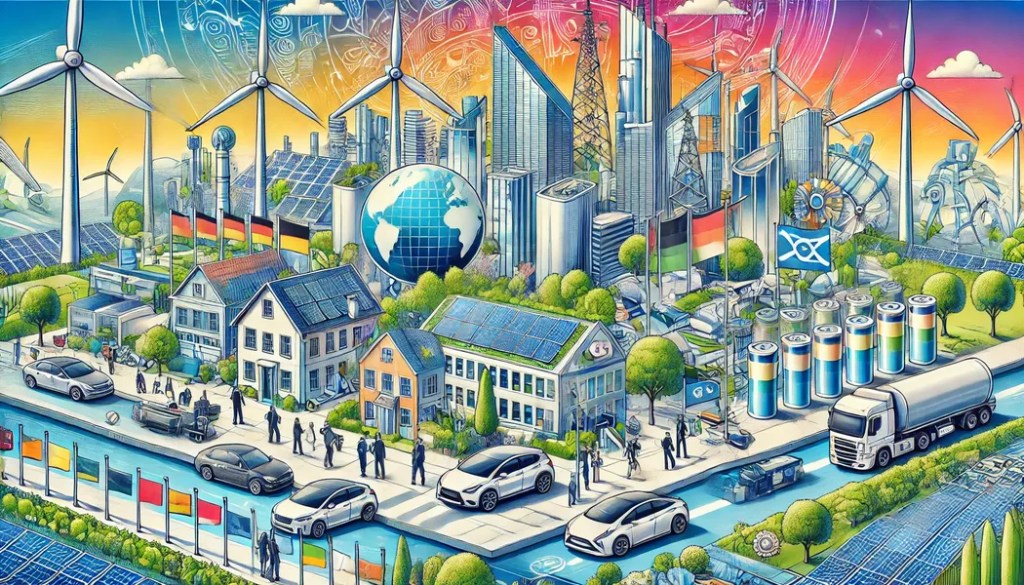
Energy as a Critical Factor
Energy is the lifeblood of any economy, driving productivity and fostering economic growth. The availability and cost of energy significantly influence a nation’s industrial output, transportation, and overall economic stability. Affordable and reliable energy is essential for industrial growth as it powers machinery, manufacturing processes, and transportation systems. Without a stable energy supply, economic activities could come to a halt, leading to job losses and a decline in economic performance. Countries with abundant and inexpensive energy resources often experience robust economic growth due to lower production costs and increased industrial competitiveness.
China’s Growth Amid Tariffs
Despite facing tariffs and trade tensions, China has demonstrated remarkable resilience and growth, particularly in the electric vehicle (EV) sector. The Chinese government has strategically supported and invested in the EV industry, recognizing its potential for economic growth and environmental benefits.
China has formed strategic partnerships and diversified its energy sources, including securing cheap oil from Russia and Saudi Arabia, ensuring a steady supply of energy. Technological advancements in battery technology, autonomous driving, and vehicle connectivity have positioned China as a leader in the EV market. Moreover, cost competitiveness through lower production costs, economies of scale, efficient manufacturing processes, and vertical integration has enabled China to dominate the global EV market.
The domestic market’s resilience, driven by government incentives and environmental policies, has bolstered demand for EVs. Additionally, China has expanded into export markets in Asia, Africa, and Latin America, establishing production facilities abroad to mitigate tariff impacts and further solidify its global presence in the automotive industry.
United States’ Energy Position
The shale oil boom has significantly altered the United States’ energy landscape. With substantial shale oil reserves and advancements in fracking technology, the U.S. has become one of the world’s largest oil producers. This boom has reduced dependence on foreign oil, enhancing energy security and providing substantial economic benefits.
Domestic shale oil production has kept energy costs low, supporting economic growth by providing affordable energy for industries and consumers. The lower energy costs have improved the competitiveness of American businesses, enabling them to invest in growth and create jobs. The economic benefits of the shale oil boom have been far-reaching, contributing to overall economic stability and growth.
Europe’s Energy Transition
Europe faces significant challenges in its energy transition, including dependence on imported energy, geopolitical risks, and higher energy costs due to reduced access to cheap Russian oil. However, Europe has made substantial progress in increasing renewable energy capacity, supported by policies like the European Green Deal.
Advanced energy storage systems and smart grid technologies are essential for managing the variability of renewable energy sources. Investments in modernizing grid infrastructure are crucial for accommodating the increasing share of renewables. Despite the higher initial costs, renewable energy investments can reduce long-term energy costs, enhance sustainability, and create jobs in the renewable energy sector, promoting a circular economy.
Europe’s Automotive Industry Transition
The transition to electric vehicles (EVs) is a critical component of Europe’s energy strategy. The automotive industry receives substantial support through incentives and regulatory pressure to accelerate this transition. Funding mechanisms, such as green bonds and EU funding programs, along with public-private partnerships, play a vital role in driving innovation and investment in green technologies.
These efforts aim to reduce the automotive industry’s carbon footprint, enhance energy efficiency, and promote sustainable transportation. The shift to EVs is not only beneficial for the environment but also crucial for maintaining the competitiveness of Europe’s automotive industry in the global market.
Overall Strategic Considerations
International cooperation is essential for sharing knowledge and best practices in green technology and negotiating trade agreements to promote green technologies. Education and workforce development are critical for supporting the green transition, including skills training and R&D investments. Addressing industry resistance requires clear regulatory frameworks and financial incentives, along with long-term planning and consistent policies.
Innovative financing solutions are necessary to address the high costs associated with the green transition and foster technological innovation. Bridging technological gaps through R&D investments is vital for ensuring that all countries can participate in and benefit from the green economy.
Conclusion
The transition to renewable energy is a multifaceted approach involving investments, regulatory support, and collaboration essential for achieving a fully green economy by 2050. Energy security and competitiveness through diversified sources and technological advancements are crucial for economic growth and stability. Despite significant challenges and costs, Europe’s commitment to renewable energy positions it as a leader in global sustainability efforts. By fostering innovation, international cooperation, and strategic investments, Europe can achieve its goal of a green and sustainable economy.

 EssayBoard
Leave a comment