
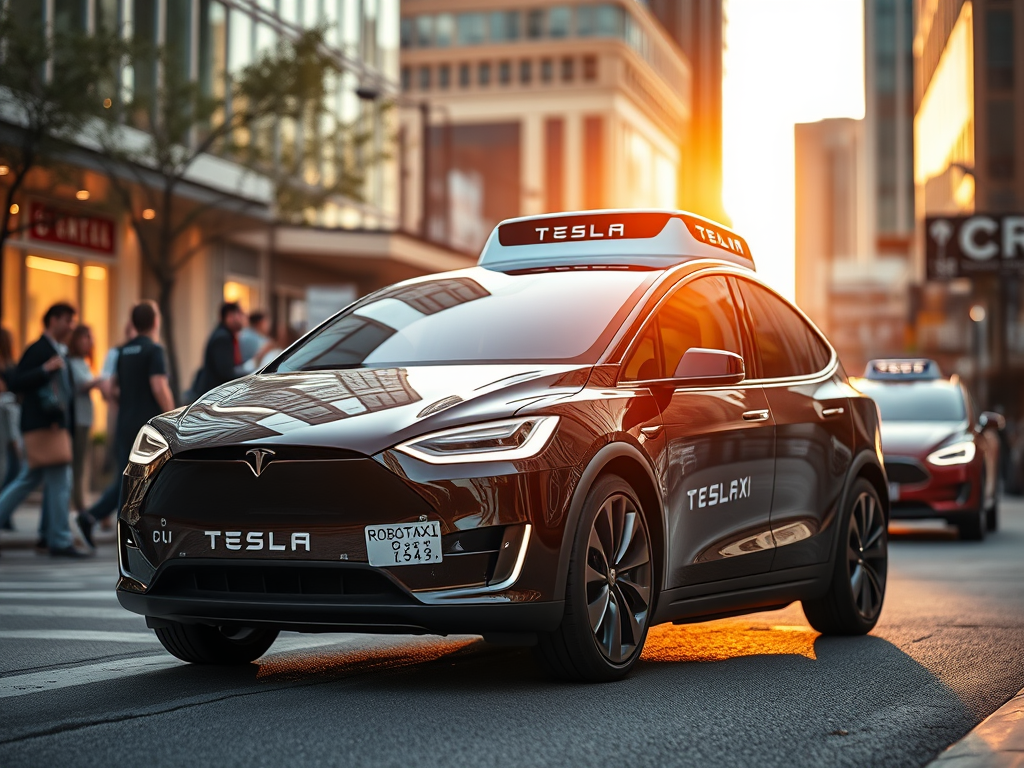
Imagine paying less for your daily commute than your morning latte. That’s exactly the scenario Tesla is piloting right now in Austin, Texas, with a flat $4.20 fare for each robotaxi ride, no matter the distance within its service area. Sounds unsustainable? On the surface, it might seem like a thin-margin gimmick, but peel back the layers, and a powerful cash-flow engine emerges.
Why the Flat Fee Looks Unsustainable
At first glance, charging just $4.20 per ride seems almost reckless. Traditional rideshares like Uber and Lyft price rides based on mileage, time, and demand. Tesla’s approach initially appears to ignore these factors entirely. Analysts and observers have naturally questioned the feasibility of such pricing, given the ongoing costs of energy, vehicle maintenance, insurance, and depreciation.
The Hidden Economics: Why It Could Actually Work
1. Ultra-low Operating Costs
The critical advantage Tesla holds is its full-stack vertical integration. Unlike other competitors, Tesla owns the entire production chain—from manufacturing cars and batteries to the software that controls them. Removing human drivers eliminates the biggest expense in rideshare economics. Additionally, Tesla’s improving battery technology and growing solar and charging network further reduce operating costs per mile.
2. Short-Trip Dominance
Urban ride data consistently shows most rides are short, typically under five miles. Tesla’s robotaxi fleet can be strategically geofenced in dense urban areas, ensuring most rides remain brief, predictable, and cost-effective. This geographic control makes flat-fee pricing surprisingly viable.
3. Fleet Utilization: A Rolling ATM
High vehicle density ensures minimal wait times, leading to increased demand. With more riders turning to consistently available Teslas, fewer empty miles are driven, optimizing utilization and effectively creating a continuous revenue stream. The more cars Tesla adds, the better the economics become.
The “24×7 Float Moat”: Borrowing from Buffett’s GEICO Playbook
To understand the true potential of Tesla’s flat-fee robotaxi model, consider Warren Buffett’s GEICO insurance. GEICO famously collects insurance premiums upfront and invests this cash, known as “float,” generating significant returns before claims are paid out.
Tesla’s robotaxi fleet operates on a similar principle—except the “premiums” are the $4.20 rides collected in real-time, 24 hours a day, seven days a week. With predictable expenses (electricity, battery wear), Tesla effectively creates an endless cash-flow float, reinvesting profits immediately into fleet expansion, better batteries, improved AI, and expanded infrastructure.
Turning Flat Fee into an Emotional Moat
Beyond economics, Tesla can elevate the experience further by making robotaxi rides feel personal, akin to owning your vehicle. Imagine opening your Tesla app, setting your preferred vehicle color, seat position, temperature, music playlist, and even cabin fragrance. Every time you hail a ride, it matches your preferences. Suddenly, each robotaxi ride feels like stepping into your own personalized Tesla.
This emotional ownership locks riders into Tesla’s ecosystem, making competing services feel inferior and generic. It’s a powerful psychological factor that could cement user loyalty.
Why Competitors Might Struggle
Competitors like Waymo and Cruise lack Tesla’s complete vertical integration. Uber and Lyft remain dependent on costly human drivers. This gap provides Tesla a formidable moat that others may struggle to replicate, especially if Tesla scales globally, entering markets rapidly with existing infrastructure.
Risks and Open Questions
Despite the immense potential, significant risks remain:
- Regulatory approval and safety oversight.
- Long-term battery degradation and charging infrastructure limits.
- Maintaining attractive flat pricing or shifting eventually to dynamic pricing.
What Could Success Look Like?
Consider simple math: one million robotaxis each conducting 25 short rides daily at $4.20 generates approximately $105 million daily in revenue. That’s over $38 billion annually. Such a cash flow powerhouse could fund unprecedented innovation and expansion.
Key Takeaways
Tesla’s flat-fee robotaxi model isn’t merely a headline-grabbing stunt. Underneath, it’s a carefully engineered cash-flow machine, inspired by Buffett’s famous insurance float strategy. Combined with personalization, it could revolutionize personal transportation, making “owning a car” seem outdated.
Disclaimer:
This is AI generated content. This post is for informational and discussion purposes only and does not constitute investment advice. The author holds no position in TSLA at the time of writing and may change positions without notice. All forward-looking statements are speculative; actual outcomes depend on regulatory approval, technological progress, and market adoption.

 EssayBoard
Leave a comment