
The Quiet Crisis in Modern Education
Across America, an unsettling paradox is playing out quietly in classrooms: Students invest enormous sums in education, yet emerge into an uncertain job market reshaped by rapid technological advancements. Teachers, professors, and students alike feel trapped in a system increasingly disconnected from reality, facing the unprecedented challenge of the AI revolution.
The Human Cost Inside K-12 Classrooms
Moral Injury of Teachers
Teachers are experiencing profound moral injury, a psychological toll arising from being compelled to deliver outdated curricula. Many educators feel complicit, burdened by the knowledge that they’re preparing students for a past that no longer exists. Emotional burnout is widespread as teachers witness the daily struggles of students who face poverty and technological divides, making promises of a better future difficult to uphold.
From “Sage on the Stage” to “Guide by Your Side”
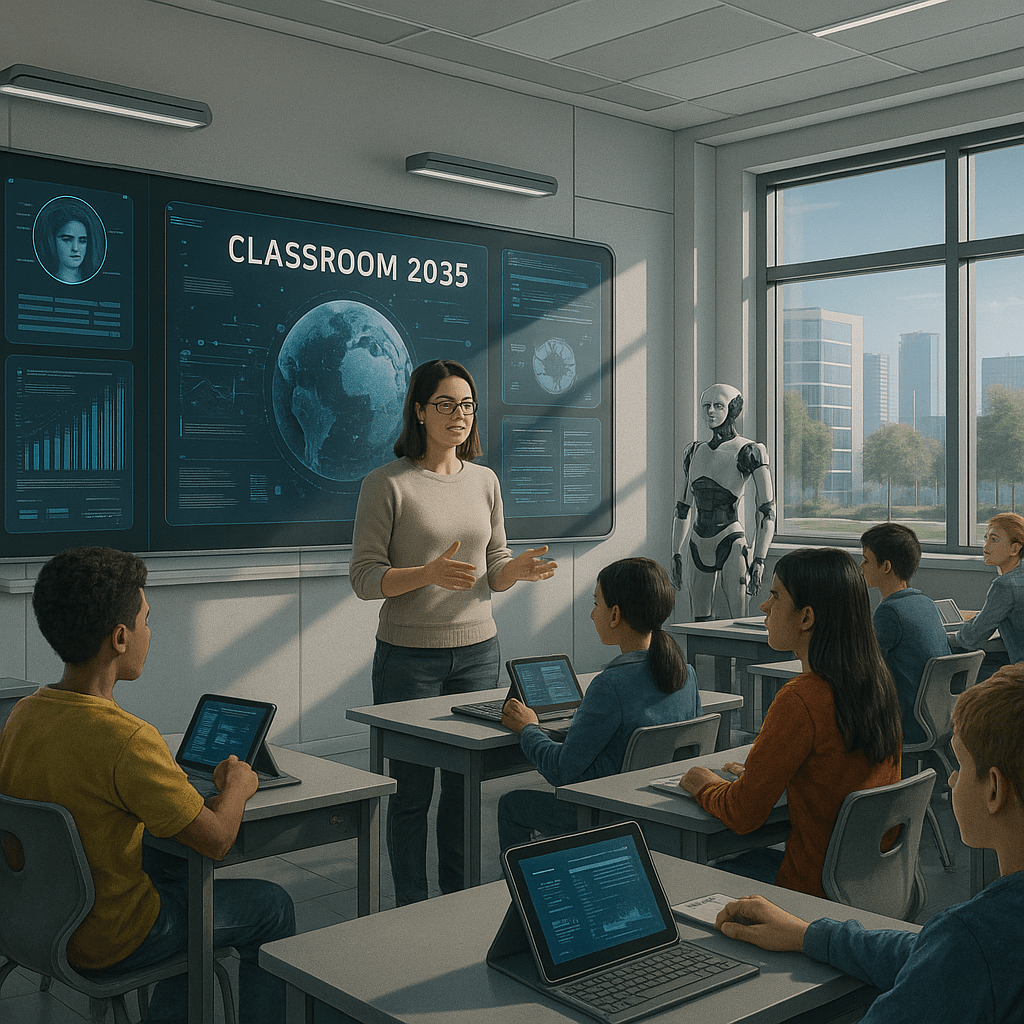
The rise of AI-driven tools in education signals a critical shift in the teacher’s role. Gone are the days when teachers were the primary information source; today, AI tutors, personalized learning platforms, and automated grading are reshaping classrooms. Educators must now serve as facilitators, mentors, and emotional coaches, guiding students through an uncertain landscape.
Early Adopters vs. Legacy Schools
Wealthy districts and private schools are rapidly adopting advanced educational technologies, widening the educational equity gap. Meanwhile, many public schools struggle with funding shortfalls, placing their students at further disadvantage in the evolving workforce.
The University Debt Dilemma
The $1.7 Trillion Question
Student debt in America has reached alarming levels, with graduates often burdened by tens or even hundreds of thousands of dollars in loans. Yet, traditional degrees no longer guarantee stable or high-paying jobs, especially as AI disrupts numerous industries.
Professors’ Existential Crisis
University educators face an existential crisis. Adjunct professors, often severely underpaid, feel ethically compromised by promoting expensive degrees with uncertain job prospects. They grapple with internal conflicts, knowing their teaching might inadvertently contribute to their students’ financial struggles.
Degrees vs. Micro-Credentials
The traditional four-year degree model is being challenged by alternative, practical credentials. Bootcamps, industry certifications, and online micro-degrees are increasingly seen as quicker, cheaper, and more directly relevant to the job market, forcing universities to rethink their offerings.
Federal Policy: Department of Education—Alive but Asleep
Glacial Pace of Reform
Despite the urgency of the AI-driven economic transformation, the U.S. Department of Education remains entrenched in outdated policies emphasizing standardized testing and traditional college pathways. Little attention is given to AI literacy or adaptive learning, leaving American students vulnerable.
Five Urgent Moves the DOE Should Make:
- Implement national K-12 AI literacy standards by 2027.
- Fund adaptive AI learning tools for disadvantaged schools.
- Reform federal aid to support non-traditional credentials.
- Replace standardized testing with AI-driven adaptive assessments.
- Create a National EdTech Sandbox for innovation.
Consequences of Inaction: Failure to act swiftly will exacerbate America’s skills gap, harm global competitiveness, and potentially lead to greater social instability as students feel increasingly disenfranchised.
Forecast: Teaching’s Role Shift (2025-2040)
- 2025-2030: AI co-pilots become mainstream; teachers transition into facilitators and mentors.
- 2030-2035: Hybrid learning environments flourish, credentials become unbundled, and personalized learning gains ground.
- 2035-2040: Educators evolve into lifelong coaches and ethical guides, orchestrating personalized learning ecosystems.
Opportunities Amid Chaos
For Educators: Educators have the opportunity to evolve professionally, adopting AI tools, trauma-informed pedagogies, and becoming architects of personalized learning experiences.
For Students & Parents: Students and parents can embrace customized learning pathways, combining traditional schooling with micro-credentials and practical apprenticeships.
For Policymakers & EdTech Startups: Policymakers and entrepreneurs can lead the charge in creating equitable AI-driven educational infrastructures and transparent outcome metrics.
Action Steps & Calls to Action
- Educators: Pilot AI-enhanced lessons and engage in professional development.
- Universities: Publish transparent data on degree ROI and integrate practical internships and apprenticeships.
- DOE & States: Provide adaptive-learning grants and focus resources on underserved districts.
- Readers: Advocate locally, share insights, and participate in community AI literacy initiatives.
Conclusion: Education’s New Imperative
The moral imperative for modern education is clear: Shift the focus from guaranteeing job security to cultivating adaptability, creativity, ethics, and lifelong curiosity. By courageously addressing these challenges, we can transform our classrooms into vibrant hubs of resilience and innovation, empowering students to thrive amid the uncertainty of an AI-driven future.
Disclaimer: This is AI generated content. The views expressed in this blog post are intended for educational and discussion purposes only. This article reflects a synthesis of publicly available data, speculative analysis, and opinions meant to provoke thoughtful dialogue on the future of education in the age of AI. It does not constitute professional financial, policy, or career advice, nor does it claim to predict the future with certainty or possess a “crystal ball.
All projections about AI timelines, policy reforms, and education trends are inherently uncertain and subject to change. Readers should conduct their own research and consult qualified professionals before making decisions related to education, employment, or student financial planning.
Mentions of specific institutions, organizations, or policy bodies (such as the U.S. Department of Education) are based on publicly observable trends and do not imply endorsement, criticism, or affiliation. Any resemblance to real individuals facing these dilemmas is coincidental unless explicitly stated.

 EssayBoard
Leave a comment