
I. Introduction
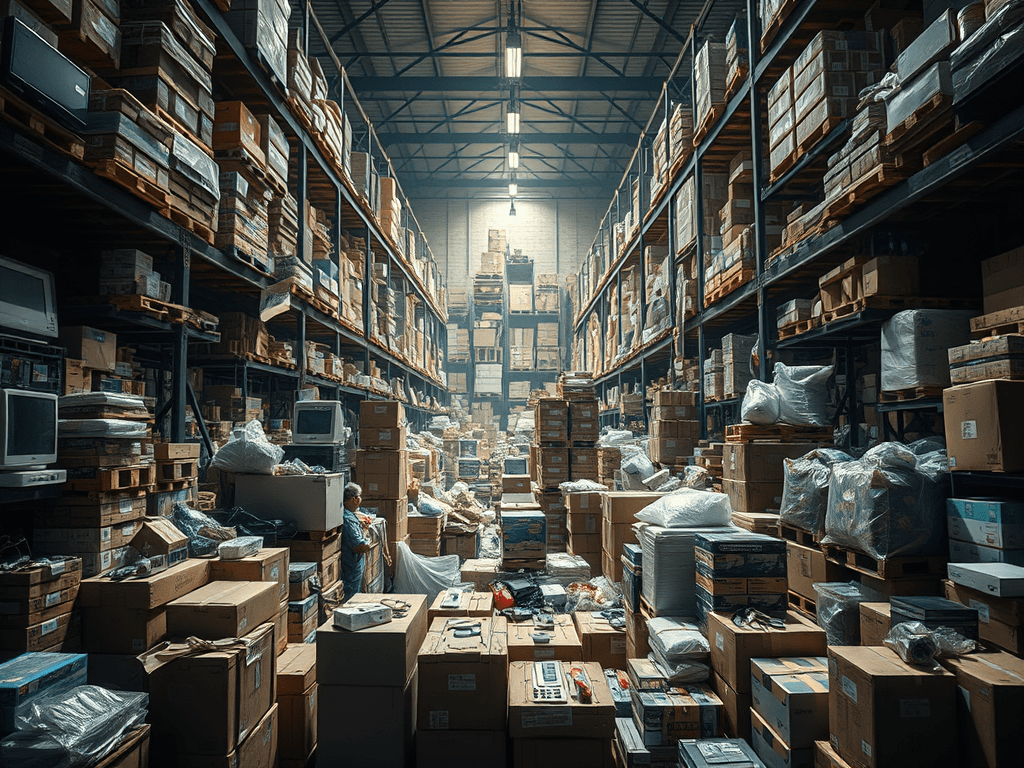
The shelves are still full for now. But behind the scenes, a quiet frenzy is building. With rising tensions between the U.S. and China and sweeping new tariffs on the horizon, a new class of opportunists is getting ready to strike—not with policy or politics, but with pallets of inventory. These hoarders aren’t preparing for the end of the world; they’re preparing to profit when shelves go empty and desperation drives prices sky-high.
II. Background: Tariffs & Supply Chains
In 2024 and 2025, the U.S. government signaled a more aggressive posture against China with embargo level tariff threat covering nearly all Chinese imports. Once implemented, the ripple effects will be felt across electronics, furniture, apparel, tools, and countless other consumer staples.
America’s modern, just-in-time supply chains are vulnerable to such shocks. Companies no longer hold deep reserves of inventory, so any disruption—especially one driven by tariffs—can create sudden scarcity. This opens the door for those who think ahead and stockpile now.
III. Who’s Hoarding—and Why?
1. Online Arbitrageurs & Resellers: From Amazon FBA hustlers to eBay flippers, these individuals specialize in buying low and selling high. By securing large quantities of tariff-impacted goods today, they hope to command premium prices months from now.
2. Import-Export Wholesalers: Often based in major port cities like Los Angeles or New York, these wholesalers are front-loading inventory to ride the wave of future scarcity. Their deep ties to Chinese suppliers give them an edge.
3. Niche Distributors with China Ties: Many Chinese-American businesses operate quietly but effectively between the two worlds. Some are hoarding not only to survive, but to flip products through WeChat groups, local markets, and U.S. platforms like TikTok Shop.
4. Preppers & Survivalists: Not always profit-driven, these communities are stocking up on essentials like batteries, solar kits, and nonperishables. Still, some may choose to sell extra supplies when the shortage hits.
5. Large Retailers: While not hoarding in the traditional sense, companies like Walmart and Costco are quietly increasing inventory coverage to cushion the blow. Their scale allows them to suppress some inflationary effects—at least temporarily.
IV. Consequences for Consumers & Markets
If tariffs persist and supply chains tighten, we could see dramatic shortages of certain goods. This creates fertile ground for price gouging on platforms like Amazon, Facebook Marketplace, and even Craigslist. Already, some savvy sellers are warning their audiences to “buy now before the tariffs hit” – a strong signal they themselves are preparing to flip.
V. Government Response & Regulatory Nuances
1. Anti-Hoarding & Price-Gouging Laws: During states of emergency, both federal and state laws kick in to punish unethical resellers. But outside of declared crises, enforcement becomes murky.
2. Customs & Trade Enforcement: Authorities may start targeting specific shipments, enforce cargo inspections, and even work with platforms like Amazon to clamp down on exploitative practices.
3. Tariff Relief Measures: To offset panic, governments may issue exclusions or waivers for certain categories. However, these are limited in scope and highly politicized.
4. Strategic Stockpiling: The U.S. may turn to strategic reserves for critical goods, similar to past efforts in the energy or health sectors.
5. Public Advisories: The government could urge consumers to report price gouging and offer educational campaigns to prevent panic-buying.
VI. Other Nuances & Unintended Effects
- Tech tools like blockchain tracking or AI-powered supply dashboards could improve inventory visibility and reduce hoarding.
- Ethical concerns: Is it wrong to buy now and sell later at a profit? Public perception may sour, especially if essential goods vanish.
- Inflationary loop: Artificial scarcity drives prices higher, which in turn justifies even more hoarding. Central banks may be forced to act.
VII. Recommendations & Takeaways
Consumers: Stay alert for signs of price manipulation. Use price alert tools and consider buying essentials early, but avoid panic-buying.
Small Businesses: Stock wisely, communicate transparently with customers, and avoid unethical markups.
Policymakers: Expand real-time supply chain data, streamline tariff relief procedures, and aggressively enforce price-gouging laws when needed.
VIII. Conclusion
We are entering a fragile period where global tensions, trade wars, and opportunistic behavior intersect. Tariffs aren’t just policy tools—they’re market signals. And like sharks in the water, the hustlers and hoarders are already circling. Whether for survival or for profit, they’re betting on one thing: scarcity. And for the rest of us, it pays to be ready—or risk being priced out.
Disclaimer: This is AI generated content. The owner of this blog may or may not hold positions in companies or sectors discussed in this article. This blog is for informational and entertainment purposes only and does not constitute financial advice. The situation on the ground is very fluid, thus the information on tariff could be wrong.

 EssayBoard
Leave a comment