
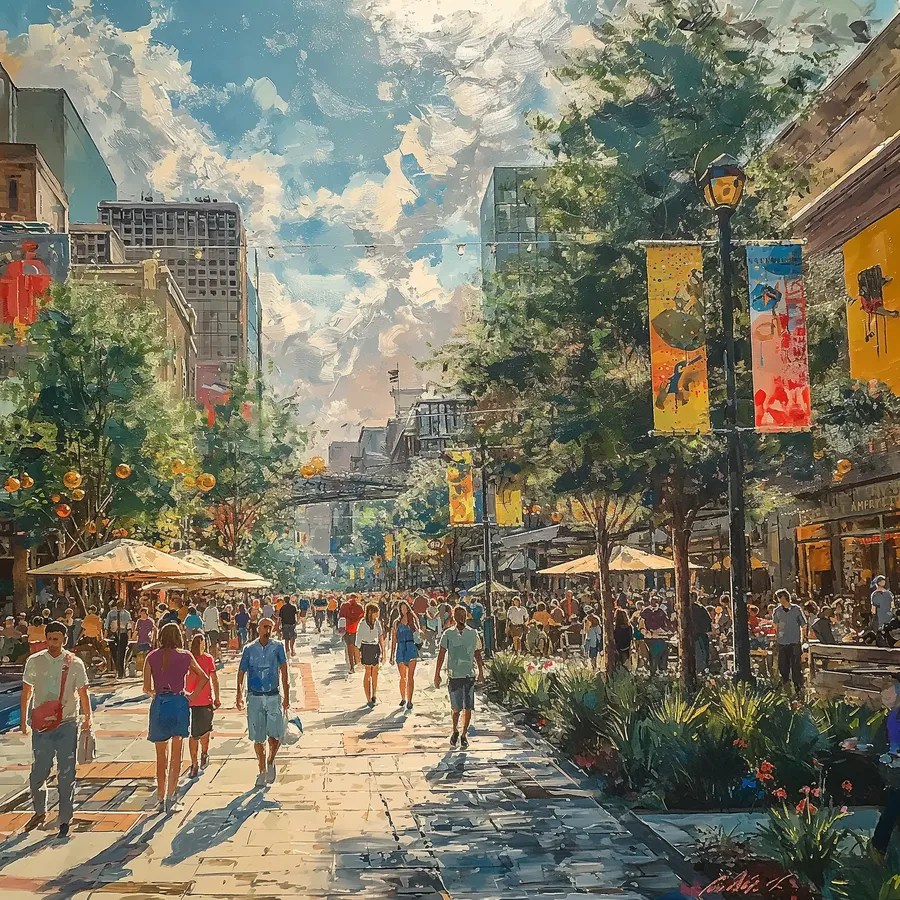
In the ever-evolving landscape of urban development, uptown districts have emerged as vibrant cultural epicenters that defy traditional notions of city outskirts. Once perceived as mere extensions of downtown areas, uptown regions are now undergoing a renaissance, transforming into dynamic hubs that blend history, innovation, and community spirit.
Historically, uptown districts were often overlooked in favor of bustling downtown cores. However, in recent years, a shift in urban planning and cultural trends has propelled uptown areas into the spotlight. With a focus on revitalization and sustainability, these neighborhoods are experiencing a resurgence fueled by a mix of creative enterprises, green spaces, and diverse communities.
One of the key factors driving uptown’s transformation is the emphasis on placemaking and community engagement. Developers and city planners are prioritizing the creation of walkable streets, public art installations, and mixed-use developments that promote social interaction and a sense of belonging. By fostering a strong sense of identity and place, uptown districts are attracting a new wave of residents and businesses seeking a more authentic urban experience.
Moreover, uptown areas are becoming incubators of innovation and creativity, attracting a diverse range of industries from tech startups to artisanal boutiques. The convergence of art, technology, and entrepreneurship in these neighborhoods is fostering a unique ecosystem that fosters collaboration and cross-pollination of ideas. As a result, uptown districts are becoming hotbeds of cultural production and economic growth, driving urban vitality and attracting a new generation of urban dwellers.
Furthermore, the concept of “uptown” itself is evolving beyond its geographical connotations to embody a mindset of upward mobility and upward thinking. Uptown is no longer just a physical location on a map but a symbol of aspiration, progress, and possibility. It represents a reimagining of urban living, where creativity, inclusivity, and sustainability converge to shape thriving communities that inspire and uplift.
As we delve into the specifics of how uptown districts are leading the charge in urban renewal, let’s turn our focus to some vivid examples from around the globe. These examples not only illustrate the transformative power of urban revitalization efforts but also highlight the unique approaches different cities are taking to redefine their uptown areas.
- New York City, USA – Harlem
- Harlem, often referred to as Uptown by locals, serves as a prime example of this urban evolution. Harlem has seen a cultural and economic revival, becoming a hub for the arts, cuisine, and entrepreneurship. Initiatives like the Harlem Arts Festival and the renovation of the Apollo Theater highlight the area’s rich cultural heritage, while new businesses and restaurants reflect its ongoing economic revitalization.
- Toronto, Canada – Yonge-Eglinton
- Toronto’s Yonge-Eglinton area, colloquially known as “Midtown,” exemplifies the transition of uptown districts into bustling centers of life and activity. This area is recognized for its significant residential growth, thriving retail environment, and the development of new public spaces. The city’s focus on enhancing public transit accessibility in this district further underscores the shift towards creating more sustainable and connected urban communities.
- Melbourne, Australia – Fitzroy
- Fitzroy, situated northeast of Melbourne’s central business district, is another illustration of an uptown area coming into its own. Known for its eclectic mix of art galleries, studios, and vibrant street art, Fitzroy has transformed from a neglected suburb into a thriving cultural hotspot. The suburb’s emphasis on preserving historical architecture while promoting a dynamic arts scene represents the broader trends of urban renewal and cultural preservation.
As we look towards the future of urban development, uptown districts stand out as pioneers of a new urban paradigm. By embracing innovation, inclusivity, and sustainability, these neighborhoods are reshaping the urban landscape and setting new trends for the cities of tomorrow. The urban renaissance unfolding in uptown areas offers a glimpse into the transformative power of community-driven development and the limitless potential of creative placemaking.
In conclusion, uptown is not just a geographical location; it is a state of mind—a symbol of urban renewal, cultural richness, and forward-thinking urbanism. As we witness the rise of uptown districts as cultural hubs and innovation centers, we are reminded of the endless possibilities that emerge when communities come together to reimagine the urban experience. The future of cities is being shaped in uptown, where creativity, collaboration, and community converge to create a new urban paradigm that celebrates the spirit of innovation and the power of collective imagination.
Uptown districts are undergoing a renaissance, transforming into vibrant cultural centers that blend history, innovation, and community spirit. These neighborhoods, once overlooked, are now key players in urban development, focusing on revitalization, sustainability, and community engagement. Uptown areas are incubators of creativity and innovation, attracting diverse industries and fostering collaboration. The concept of “uptown” symbolizes upward mobility and forward thinking, embodying a new urban paradigm that prioritizes inclusivity, sustainability, and community-driven development. This urban renaissance offers a glimpse into the transformative power of creative placemaking and community collaboration in shaping the cities of tomorrow.

 EssayBoard
Leave a comment