
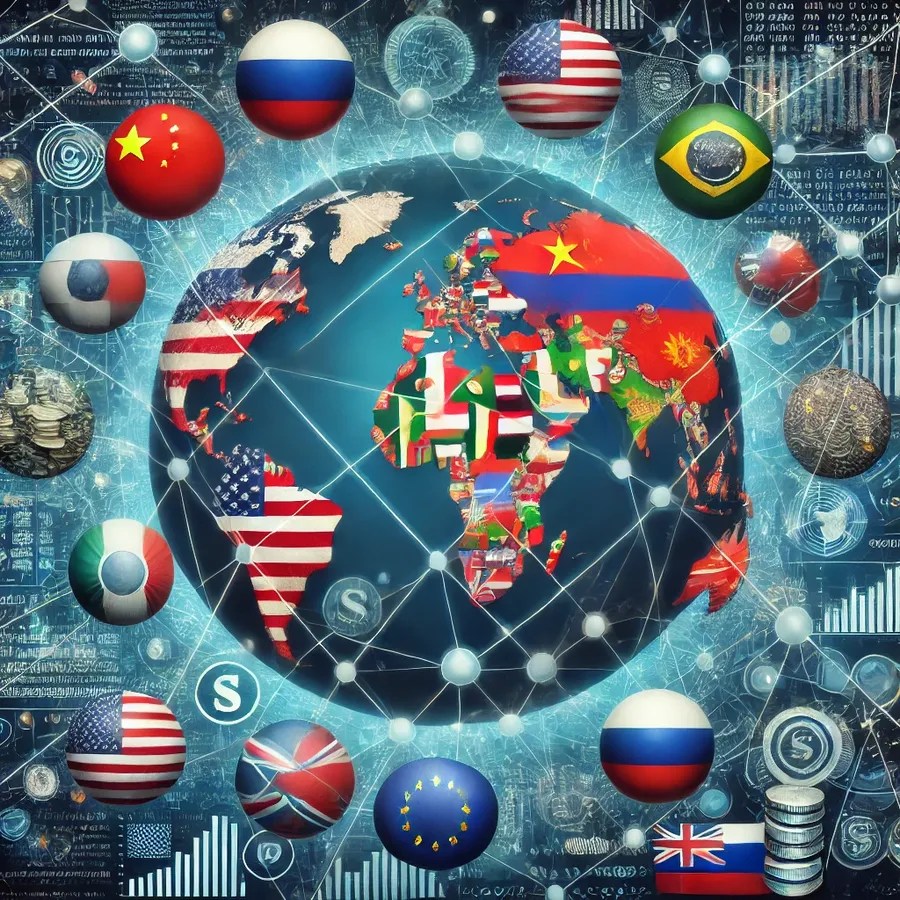
The current global geopolitical landscape is reminiscent of the tumultuous periods of the past, where the rise and fall of great powers reshaped international relations. As we navigate through a rapidly changing world, it’s essential to draw lessons from history, particularly the Cold War, and analyze contemporary challenges to understand the potential future of global power dynamics.
Lessons from the Cold War
The Cold War era offers valuable insights into the unpredictability of geopolitical shifts. The sudden collapse of the Soviet Union in 1991 was largely unforeseen by many analysts. Despite the intense rivalry between the United States and the Soviet Union, few predicted the rapid disintegration of the latter. This unpredictability highlights the importance of flexibility and adaptability in international relations.
The Soviet Union’s downfall was partly due to overextension—militarily, economically, and ideologically. Maintaining a global superpower status required immense resources, which strained the Soviet economy. Coupled with internal economic inefficiencies and political rigidity, the Soviet Union’s ability to sustain its global influence waned, leading to its eventual collapse. This historical precedent underscores the need for any global power to manage its resources and commitments wisely to avoid similar pitfalls.
The Move Towards a Multipolar World
Today, we are witnessing a shift towards a multipolar world, where power is distributed among several major players, including the United States, China, the European Union, and Russia. This transition increases the complexity of global diplomacy, as each power pursues its own interests and strategies, leading to potential conflicts and fluid alliances.
Economic Influence and Strategic Partnerships: China’s economic influence has been growing steadily, making it a key player in global trade. Many countries engage with China not out of preference but due to the sheer scale of its economy and its role as a major trading partner. Some nations, however, seek to balance their relations between major powers to avoid over-reliance on any single country. This balancing act is evident in the diplomatic strategies of several countries in Asia, Africa, and Latin America, which engage both China and Western countries to maximize their strategic and economic benefits (Lowy Institute) (World Economic Forum).
Overuse of Sanctions: The United States has increasingly used sanctions as a primary tool of foreign policy. While sanctions can be effective in exerting pressure, overreliance on them can lead to unintended consequences, such as driving sanctioned countries to seek alternative alliances and financial systems. This could weaken the influence of Western powers if countries find effective ways to bypass sanctions (markets.businessinsider.com) (The Atlantic).
Flexibility in Diplomacy: Effective diplomacy often requires a mix of pressure and engagement. Critics argue that the U.S. has sometimes been inflexible in its diplomatic approach, potentially missing opportunities for negotiated solutions that might align with long-term strategic interests (Politico).
Strategic Consequences and Geopolitical Realignments
Alternative Financial Systems: In response to the extensive use of economic sanctions by the U.S. and its allies, countries are developing alternative financial systems. China’s Cross-Border Interbank Payment System (CIPS) and initiatives within BRICS aim to create financial networks that reduce reliance on the U.S. dollar and SWIFT. This development supports the shift towards a multipolar financial system (Lowy Institute) (World Economic Forum).
China-Russia Alliance: The growing partnership between China and Russia is a direct response to Western pressure. This alliance provides both countries with economic and strategic support, potentially offsetting the impact of Western sanctions and diplomatic isolation. If this partnership continues to strengthen, it could challenge Western dominance in several global arenas (The Atlantic) (Politico).
Economic Sanctions and Backlash: The freezing of Russian central bank assets has set a precedent that could make other countries wary of holding their reserves in U.S. dollars. If a major power’s reserves can be frozen due to geopolitical conflicts, other nations may feel insecure about their own dollar holdings. Countries might diversify their reserves into other assets, such as gold, other currencies, or even cryptocurrencies, to reduce their exposure to potential U.S. financial sanctions (DW) (markets.businessinsider.com).
Potential for Western Overextension
Economic Challenges: The West faces significant economic challenges, including high levels of debt, inflationary pressures, and political polarization. These issues could undermine the ability of Western countries to project power effectively and sustainably (Politico).
Strategic Missteps: Rigid and inflexible policies, particularly those that rely heavily on sanctions and military interventions, can lead to strategic missteps. The perception of the West as using its power to coerce rather than collaborate can drive more countries to seek alternatives, thereby weakening Western influence (Lowy Institute) (markets.businessinsider.com).
Internal Divisions: Political and social divisions within Western countries can erode the consensus needed for effective foreign policy. If these divisions deepen, they could impair the ability of the West to respond coherently to global challenges (The Atlantic) (Politico).
The Path Forward: Avoiding the Mistakes of the Past
While the future is inherently unpredictable, the lessons from the Cold War and the current global dynamics suggest that flexibility, prudent resource management, and strategic adaptability are crucial. The potential for the West to face a fate similar to the Soviet Union’s, due to overextension and strategic missteps, is a valid concern. Therefore, a more balanced approach that emphasizes diplomatic engagement, economic resilience, and internal cohesion might better serve the long-term interests of Western nations in a rapidly changing world.
Geopolitical Realignment and Multipolarity: The formation of new alliances and economic blocs outside Western influence can create a multipolar world where the U.S. and Europe have less control over global economic and political dynamics. This shift could complicate efforts to manage international conflicts and crises. Moving forward, a more nuanced and flexible approach in U.S. diplomacy could help in maintaining influence and mitigating the risks associated with pushing countries towards China (Lowy Institute) (Politico).
Balancing Power and Influence: The trend towards a multipolar world, with significant powers such as the U.S., China, the EU, and Russia, increases the complexity of global diplomacy. Each power has its own set of interests and strategies, leading to potential conflicts and alliances that are fluid and unpredictable. Engaging in multilateral dialogues, investing in regional partnerships, and showing willingness to negotiate could enhance the effectiveness of U.S. foreign policy (Lowy Institute) (Politico).
Conclusion
As we move towards a more multipolar world, the unpredictability of global power dynamics becomes more apparent. The current geopolitical strategies of the U.S. and its allies face significant challenges as Russia and China deepen their cooperation and as other nations observe and potentially emulate their strategies. To address these evolving dynamics, a more nuanced approach that combines economic, diplomatic, and strategic measures might be necessary. Engaging with emerging powers, fostering multilateral cooperation, and developing adaptable policies could help maintain global stability and influence in the face of these changes. The lessons from history remind us that flexibility and adaptability are key to navigating an uncertain future.

 EssayBoard
Leave a comment