
Introduction
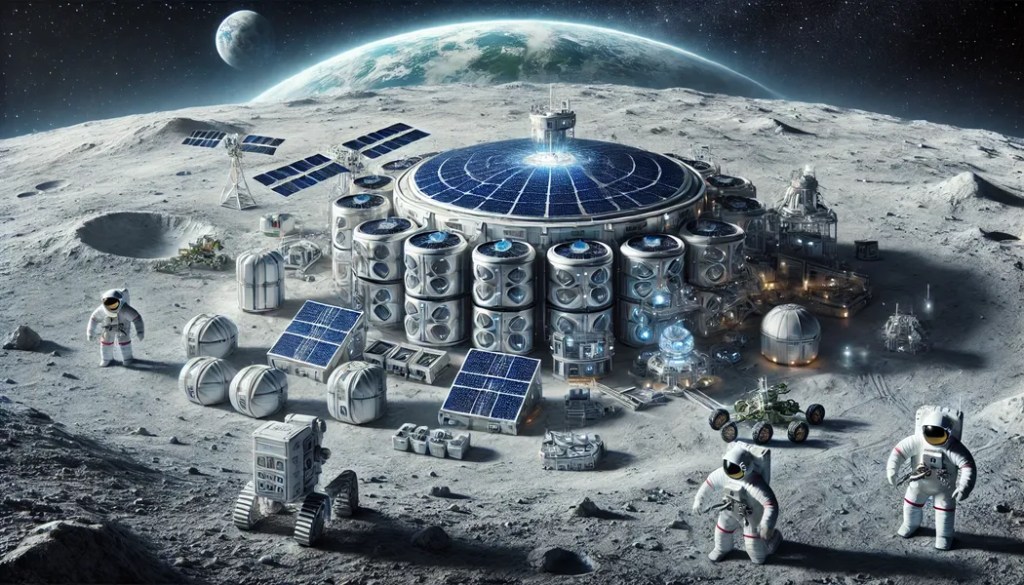
Lunar exploration has always been a fascination for humanity, capturing our imagination and inspiring generations. The Moon, our closest celestial neighbor, holds secrets that could unlock the mysteries of our solar system and provide resources vital for future space missions. Recent lunar missions, such as NASA’s Artemis program and China’s Chang’e missions, have reignited global interest in lunar exploration, with ambitious plans to establish a permanent human presence on the Moon. These efforts aim not only to expand our scientific knowledge but also to pave the way for sustainable off-Earth living and further exploration of deep space. As nations and private companies race to explore and utilize lunar resources, understanding the strategic importance and technological advances in lunar exploration becomes crucial.
Geological and Historical Insights
The geological and historical data obtained from lunar samples have provided profound insights into the Moon’s formation and the early history of our solar system. The Apollo missions, which brought back over 800 pounds of lunar rocks, soil, and core samples, revealed a wealth of information about the Moon’s surface and interior. One of the most intriguing areas of study is the far side of the Moon, particularly the South Pole-Aitken Basin. This vast impact crater, one of the largest in the solar system, is of significant interest due to its unique geological features.
The South Pole-Aitken Basin offers a window into the Moon’s mantle, potentially exposing materials not found elsewhere on the lunar surface. Studying these materials helps scientists understand the processes that shaped the Moon and provides clues about the early solar system’s dynamics. Moreover, the Moon’s surface is a pristine record of ancient impacts, as it lacks the weathering and tectonic activity that erase such records on Earth. By analyzing impact craters and their distribution, researchers can infer the frequency and scale of asteroid collisions, offering insights into the history of our planetary neighborhood.
In-Situ Resource Utilization (ISRU)
In-Situ Resource Utilization (ISRU) is a game-changer for sustainable lunar habitation. ISRU involves harnessing local resources to support human activities, reducing the need for supplies from Earth. One of the most valuable resources on the Moon is water ice, which has been detected in permanently shadowed craters near the poles. Water is essential for life support, but it can also be split into hydrogen and oxygen, which are critical for rocket fuel.
Utilizing lunar resources could significantly reduce the cost and complexity of lunar missions. For instance, using local materials for construction, such as regolith (lunar soil), could eliminate the need to transport building materials from Earth. ISRU technologies are being developed to extract and process these resources, enabling the production of air, water, fuel, and building materials directly on the Moon. This self-sufficiency is crucial for establishing a long-term human presence and serves as a model for future missions to Mars and beyond.
Technological Development
Developing and maintaining a lunar base drives significant technological innovation across various fields. Advancements in robotics are essential for constructing and maintaining lunar infrastructure. Autonomous robots can perform tasks in the harsh lunar environment, where human presence is limited. These robots are designed to handle extreme temperatures, dust, and radiation, making them invaluable for exploration and construction activities.
Materials science also benefits from lunar exploration. The development of new materials that can withstand the Moon’s conditions leads to innovations that have applications on Earth, from more durable electronics to advanced building materials. Additionally, energy systems designed for the Moon, such as solar panels and energy storage solutions, contribute to the growth of renewable energy technologies.
The innovations driven by lunar exploration extend to both civilian and military applications. For example, the precision required for lunar landing and navigation systems improves satellite technology and Earth observation capabilities. These advancements enhance global communications, weather forecasting, and environmental monitoring, demonstrating the broad impact of lunar exploration on technology and society.
Energy Solutions
Providing continuous power on the Moon, particularly on the far side, poses a significant challenge. The lunar night lasts approximately 14 Earth days, during which solar power is unavailable. Potential solutions include the development of nuclear reactors and large-scale energy storage systems. Nuclear reactors can provide a reliable and continuous power source, essential for maintaining operations during the long lunar night.
Energy storage systems, such as advanced batteries or regenerative fuel cells, can store energy collected during the lunar day for use at night. These technologies ensure a steady power supply, crucial for sustaining a lunar base and supporting scientific experiments. Exploring and implementing these energy solutions not only facilitates lunar exploration but also advances energy technologies that can benefit Earth.
Strategic and Military Implications
Establishing a lunar base offers strategic advantages, including enhanced surveillance and reconnaissance capabilities. A base on the Moon provides a unique vantage point for monitoring Earth’s surface and space activities. This strategic position can be used for both civilian and military purposes, such as tracking space debris, monitoring satellite movements, and observing weather patterns.
The far side of the Moon, shielded from Earth’s radio noise, is ideal for setting up sophisticated relay communications and deep-space observatories. This location is perfect for studying the universe without interference from terrestrial signals, advancing our understanding of the cosmos.
A lunar base also holds significant implications for national prestige and leadership in space exploration. Nations that establish a presence on the Moon demonstrate technological prowess and commitment to space exploration, enhancing their standing on the global stage. The strategic importance of a lunar base underscores the need for international cooperation and the establishment of clear regulations to govern activities on the Moon.
Geopolitical Dynamics
The U.S.-China space competition highlights the significance of lunar exploration for national security. Both nations are investing heavily in space programs, aiming to achieve milestones that demonstrate technological superiority. This competition drives innovation but also raises concerns about the potential for conflict in space.
International treaties, such as the Outer Space Treaty, promote peaceful space exploration and aim to prevent the militarization of celestial bodies. These treaties encourage scientific collaboration and the sharing of knowledge, fostering a cooperative approach to exploring the Moon and beyond.
International collaboration through scientific partnerships can lead to shared infrastructure and resources, reducing costs and increasing the efficiency of lunar missions. Collaborative efforts, such as the International Space Station, serve as models for future lunar bases, emphasizing the benefits of working together in space exploration.
Conclusion
Lunar exploration is at the forefront of technological innovation and geopolitical strategy. The insights gained from geological studies, the potential of ISRU, and the advancements in technology underscore the Moon’s importance for future space endeavors. The strategic and military implications highlight the need for careful consideration of international policies and cooperation. As humanity continues to explore the Moon, the dual-use nature of space activities becomes increasingly evident, with significant implications for scientific advancement, technological development, and global security.

 EssayBoard
Leave a comment