
Black Myth: Wukong has taken the gaming world by storm, emerging as one of the most successful game launches in recent history. Developed by the Chinese studio Game Science, the game has shattered records, sparked heated debates, and captivated a global audience—earning $600 million in just three days and selling over 10 million copies worldwide. This article delves into the factors behind the game’s explosive success, the controversies that surrounded its release, and the intricate details of its creation.
The Rise of a Cultural Titan
At its core, Black Myth: Wukong is a celebration of Chinese mythology, specifically the legendary tale Journey to the West. The game’s protagonist, Sun Wukong, the Monkey King, is a beloved character in Chinese folklore, known for his immense strength, cunning, and magical abilities. Game Science, a Shenzhen-based studio, set out to create a game that not only honors this rich cultural heritage but also pushes the boundaries of what is possible in modern video game development.
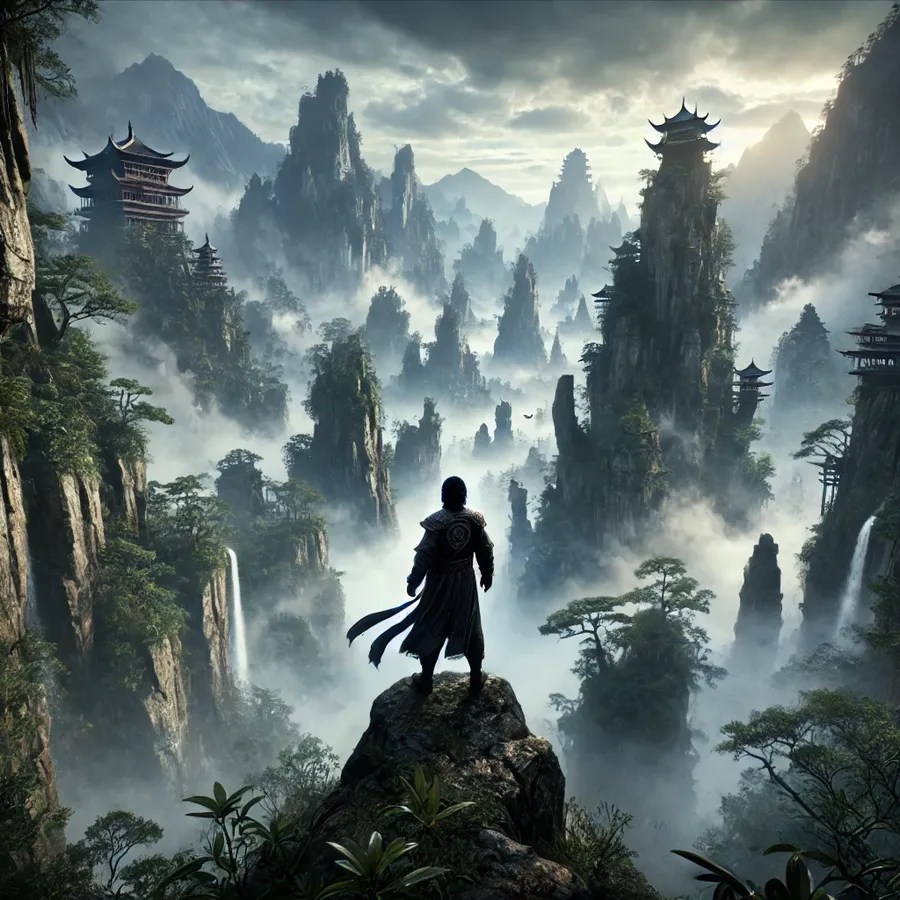
The game’s stunning visuals, powered by Unreal Engine 5, immediately set it apart from other titles. Early gameplay trailers showcased fluid combat, breathtaking environments, and a level of detail that left the gaming community in awe. This, combined with the game’s unique setting, created massive anticipation, particularly among Chinese gamers, who were eager to see a AAA title rooted in their cultural heritage.
A particularly fascinating aspect of the game is its use of real-world Chinese landscapes as inspiration for the in-game environments. The developers drew from various iconic locations across China to create the game’s scenery, including the mysterious Wulingyuan Scenic Area in Zhangjiajie and the hauntingly beautiful Huangshan (Yellow Mountain). These locations, known for their otherworldly rock formations, mist-shrouded peaks, and lush forests, were meticulously recreated in the game, adding an extra layer of authenticity and immersion that resonates strongly with players familiar with these landmarks.
The Numbers Don’t Lie
Black Myth: Wukong achieved unprecedented success right from the start. The game generated $53 million in pre-sales alone, setting a new record for a Chinese-developed game. Upon release, it quickly amassed over 2.2 million concurrent players on Steam, making it the second-highest all-time peak in the platform’s history. The game also saw huge success on the PlayStation 5, where it continues to be a top seller.
Despite its Chinese roots, the game has found a massive audience in the West, where many players may not be familiar with the Journey to the West narrative. The game’s quality, innovative gameplay, and universal themes of adventure and heroism have transcended cultural barriers, drawing in gamers from all corners of the globe.
Controversies and Criticism
The game’s meteoric rise was not without its controversies. Prior to its release, several journalists criticized the game for reasons that many gamers found perplexing. Some reviews focused on the lack of diversity in the game, arguing that it did not represent a broad enough spectrum of characters. Others were skeptical of the game’s ambitious scope, questioning whether Game Science could deliver on its promises.
These criticisms were met with significant backlash from the gaming community, particularly from those who understood the cultural context of the game. Many gamers pointed out that Black Myth: Wukong was a celebration of Chinese culture, and that the characters and setting were inherently tied to the mythology it was based on. They argued that imposing Western standards of diversity on a game so deeply rooted in Chinese tradition was misguided.
The game’s success, particularly in China, where it was primarily targeted, further fueled this debate. It highlighted the growing influence of non-Western gaming markets and the importance of understanding cultural context when critiquing media.
The Making of Black Myth: Wukong
Creating Black Myth: Wukong was no small feat. Game Science, a relatively small studio, had to overcome significant challenges to bring their vision to life. The development process was ambitious, with the team leveraging the latest technology in Unreal Engine 5 to create a visually stunning and technically advanced game. The game’s development costs have been a topic of speculation, with estimates suggesting that it could have cost anywhere between $50 million to $100 million, a substantial sum for an independent studio.
Game Science meticulously crafted every aspect of the game, from the intricate combat system to the richly detailed environments. The studio’s commitment to authenticity extended to the game’s soundtrack, which features traditional Chinese instruments and compositions inspired by ancient Chinese music.
The development journey was also marked by a deep engagement with the gaming community. Game Science regularly released development updates, trailers, and demos, which helped build anticipation and allowed the team to gather feedback. This transparent approach fostered a strong connection between the developers and the players, contributing to the game’s success.
A New Era for Chinese Gaming
Black Myth: Wukong represents a watershed moment for the Chinese gaming industry. It demonstrates that Chinese developers can create AAA titles that not only resonate within their own country but also have global appeal. The game’s success is a testament to the growing influence of Chinese culture in the global entertainment landscape and the increasing prominence of China as a powerhouse in the gaming industry.
As the game continues to break records and capture the imagination of players around the world, it also raises important questions about cultural representation in media, the role of non-Western markets in the gaming industry, and the evolving expectations of gamers globally.
In the end, Black Myth: Wukong is more than just a game—it’s a cultural phenomenon that has left an indelible mark on the gaming world. Its success is a powerful reminder that great storytelling, combined with cutting-edge technology and cultural authenticity, can transcend borders and bring people together from all walks of life. The use of real Chinese landscapes in the game’s design adds a layer of authenticity that not only honors the source material but also provides players worldwide with a visually stunning experience rooted in one of the world’s oldest civilizations.

 EssayBoard
Leave a comment