
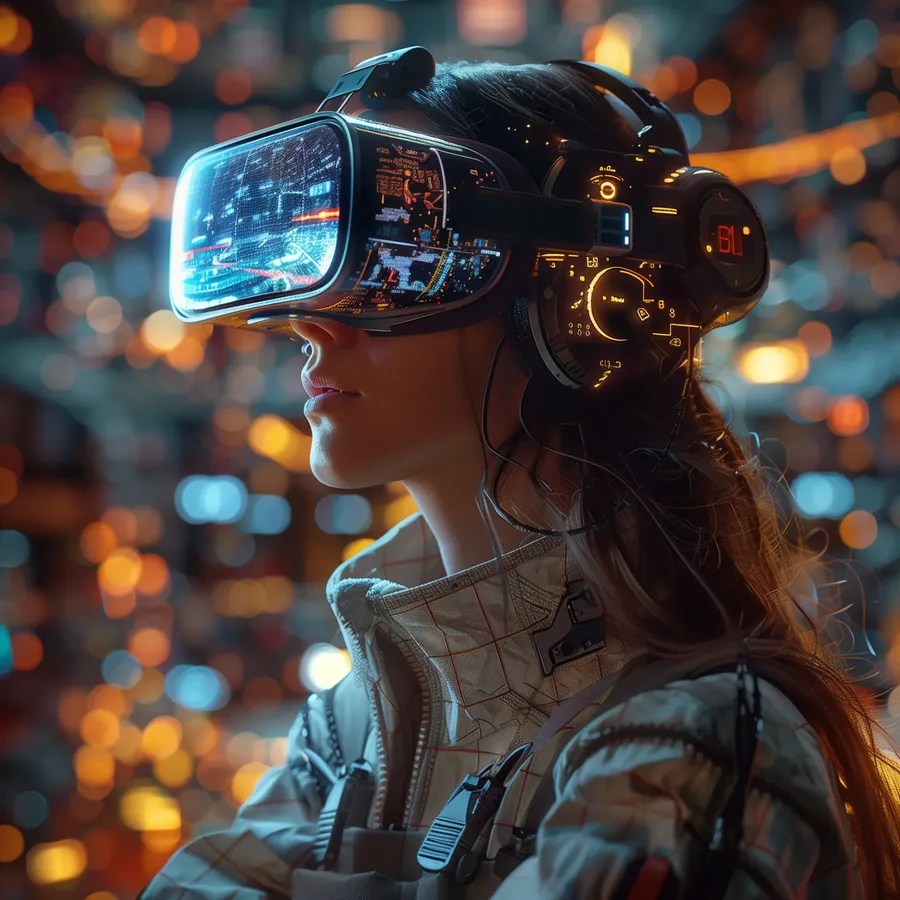
In the ever-evolving landscape of modern work environments, the concept of “worked” has emerged as a transformative force, reshaping traditional notions of productivity and collaboration. As we delve deeper into the realms of remote work, digital connectivity, and automation, the essence of “worked” transcends mere task completion to encompass a dynamic fusion of creativity, efficiency, and human ingenuity.
At its core, “worked” represents a paradigm shift in how individuals engage with their tasks and responsibilities. Gone are the days of rigid office hours and linear workflows; instead, the focus is now on fluidity, adaptability, and personalized approaches to achieving goals. This shift is not only fueled by technological advancements but also by a fundamental reimagining of the relationship between work and life.
One of the most intriguing aspects of the “worked” phenomenon is its potential to redefine the boundaries of work itself. With the rise of freelancing, gig economy platforms, and project-based collaborations, individuals are no longer confined to traditional employment structures. Instead, they have the freedom to curate their own work experiences, choose projects that align with their passions, and set their own schedules.
Furthermore, the concept of “worked” is closely intertwined with the growing emphasis on holistic well-being in the workplace. As organizations recognize the importance of mental health, work-life balance, and employee satisfaction, they are increasingly adopting policies and practices that prioritize the overall wellness of their workforce. From flexible work arrangements to mindfulness programs, the “worked” philosophy encourages a more human-centric approach to productivity.
Recent employment trends have illuminated the evolving dynamics of the workforce. The Bureau of Labor Statistics projects a significant increase in employment, with a total of almost 4.7 million new jobs expected from 2022 to 2032, primarily fueled by growth in the health care and social assistance sector. This projection reflects the escalating demand for health services, an aging population, and an intensified focus on mental health and well-being, aligning perfectly with the ethos of “worked” that champions holistic well-being (BLS).
The changing work landscape has also seen a persistent labor shortage, with workforce participation remaining below pre-pandemic levels. Despite 9.5 million job openings, a mismatch in the labor market persists due to factors like early retirements, a lower rate of international migration, and significant disruptions to the childcare system which disproportionately affects women’s workforce participation (U.S. Chamber of Commerce).
Looking ahead, the future of “worked” holds even more promise and potential. With the advent of artificial intelligence, machine learning, and augmented reality, we can expect to see unprecedented levels of efficiency and innovation in how tasks are completed and projects are managed. The integration of these technologies into the fabric of work will not only streamline processes but also open up new avenues for creativity and collaboration.
In conclusion, “worked” represents a bold new frontier in the realm of work and productivity. By embracing flexibility, personalization, and well-being, individuals and organizations can unlock untapped potential and usher in a new era of meaningful and fulfilling work experiences. As we navigate the complexities of a rapidly changing world, let us embrace the power of “worked” to shape a future where work is not just a means to an end but a gateway to limitless possibilities.
In the modern work environment, the concept of “worked” is reshaping productivity and collaboration by emphasizing creativity, efficiency, and human ingenuity in the realms of remote work, digital connectivity, and automation. This paradigm shift encourages fluidity, adaptability, and personalized approaches to tasks, redefining the boundaries of work and allowing for a more human-centric and holistic approach to productivity and well-being. With the rise of freelancing and gig economy platforms, individuals have the freedom to curate their work experiences, leading to a future where technology like artificial intelligence and augmented reality will further enhance efficiency and innovation. Embracing “worked” opens up new possibilities for meaningful and fulfilling work experiences that prioritize flexibility and personalization.

 EssayBoard
Leave a comment