
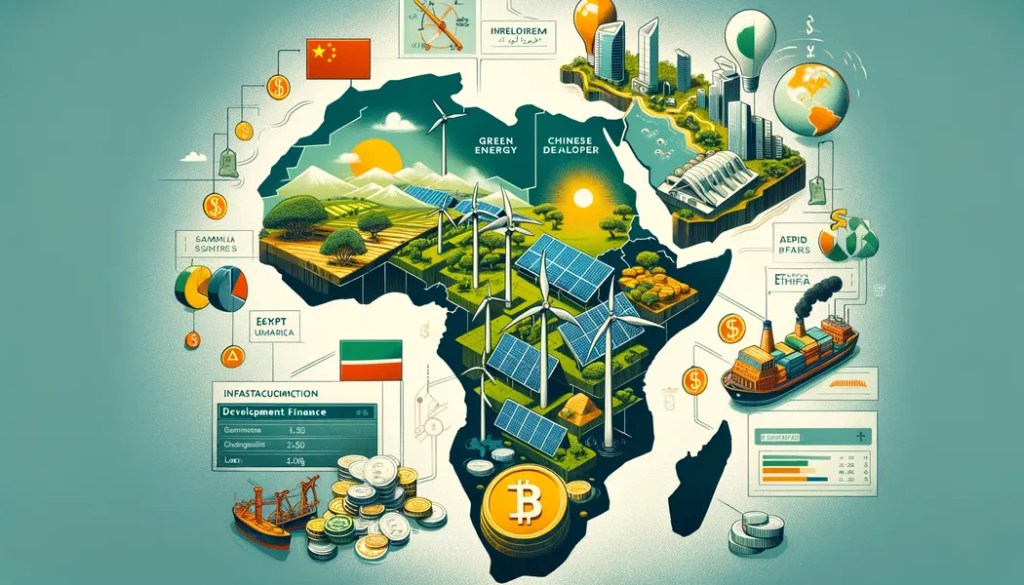
The evolving approach of Chinese development finance in Africa is reshaping the continent’s economic landscape. This narrative delves into how China’s financial strategies are shifting towards sustainable development goals, green energy, and innovative financial mechanisms. It also explores the implications of these changes on African infrastructure, the broader global development finance trends, and reactions from international stakeholders.
The Role of FOCAC in Global Reactions
The Forum on China-Africa Cooperation (FOCAC) has been a pivotal platform for fostering Sino-African relations. The early announcement of FOCAC dates, such as the one scheduled for September 3-8, 2024, has drawn significant attention from global players including Europe, the US, Korea, and Japan (GBC) (OxPol). This early notification is unusual and suggests China’s intention to solidify its commitments and influence in Africa amidst growing global competition.
FOCAC’s significance lies in its ability to generate substantial financial commitments. In previous years, these commitments have included large-scale infrastructure projects, healthcare initiatives, and educational programs. However, the focus is now shifting towards sustainable development, aligning with global efforts to combat climate change and promote green energy.
China’s Evolving Financial Strategies
China’s approach to development finance in Africa is transitioning towards green energy and sustainable development. This shift is evident in the increasing investments in renewable energy projects such as wind and solar power plants in Kenya, South Africa, and Ethiopia (Carbon Brief) (IEA) (China Briefing). These projects are part of China’s broader commitment to global green energy development, reflecting a significant move away from traditional energy sources like coal.
Despite this shift, China continues to support coal plant projects in Africa. For instance, coal-fired power plants in Zimbabwe and Mozambique have been financed by Chinese loans. This dual approach indicates that while China is investing in green technology, it is also addressing immediate energy needs through traditional means (Carbon Brief) (China Briefing). The challenge for African nations is to balance these investments to ensure long-term sustainability while meeting their current energy demands.
Challenges and Opportunities for African Countries
African countries must adapt to the evolving pace of Chinese development finance to effectively engage with it. The infrastructure deficit in Africa remains a critical issue, and Chinese investments have been pivotal in addressing this gap. However, the shift towards sustainable and green projects requires African governments to align their development priorities with these new financial strategies (GBC).
One of the significant challenges is the debt burden associated with Chinese loans. Many African countries, including Kenya, Zambia, Ghana, and Ethiopia, owe substantial debts to China, leading to financial strain and the risk of default (Africa Defense Forum) (National Security Analysis). This debt crisis complicates their ability to absorb new loans and invest in essential infrastructure projects.
The Role of Multilateral Development Banks
Multilateral development banks like the African Development Bank are crucial in expanding development finance in Africa. These banks provide innovative financial mechanisms that complement bilateral loans from countries like China (China Briefing). For instance, the African Development Bank has been instrumental in leveraging special drawing rights (SDRs) to provide liquidity and financial support to African nations.
The New Development Bank (NDB), established by BRICS (Brazil, Russia, India, China, and South Africa), also plays a significant role in this context. The NDB provides financial assistance and development loans to its member countries, potentially easing their debt burden and supporting sustainable development projects (African Business) (The South African). This multilateral approach can provide African countries with more diverse funding sources, reducing their reliance on a single creditor.
Debt and Climate Finance
The debt crisis in several African countries complicates their ability to absorb new loans, especially when climate finance often comes in the form of market-based loans with less favorable terms. For example, South Africa’s Just Energy Transition Partnership had a large percentage of its funding in market-based loans, which has been a point of contention (OxPol) (National Security Analysis).
Climate finance is crucial for addressing the impacts of climate change and promoting sustainable development. However, the terms and conditions of these loans need to be more favorable to ensure that they do not exacerbate the financial burden on developing countries. The international community, including China, must work towards providing more concessional loans and grants for climate finance to ensure sustainable development.
China’s Commitments and Skepticism
There is skepticism about whether China will follow through on its financial pledges, such as reallocating $10 billion of special drawing rights (SDRs) to Africa or providing vaccines and increasing African exports to China (OxPol) (FurtherAfrica). While China has engaged in debt relief efforts, such as the G20 Debt Service Suspension Initiative (DSSI), the majority of Chinese loans are commercial with higher interest rates and shorter repayment periods.
China’s efforts towards debt restructuring have been met with mixed results. While some African countries have benefited from debt relief, others have struggled with opaque loan terms and the lack of transparency in the negotiation processes. This highlights the need for more comprehensive and transparent debt restructuring mechanisms that can provide long-term relief to debt-ridden countries.
BRICS Membership and Its Benefits
Joining BRICS offers substantial benefits for countries like Egypt and Ethiopia. The inclusion of these countries in BRICS, effective January 1, 2024, will provide access to financial support from the New Development Bank and enhance their negotiation leverage for debt relief (African Business) (SowetanLIVE) (Watcher Guru). Membership in BRICS can also diversify their funding sources, reducing reliance on a single creditor and improving financial stability.
For Egypt and Ethiopia, BRICS membership represents an opportunity to gain a stronger voice on the global stage and influence international economic policies. The collective bargaining power of BRICS countries can help secure more favorable terms in debt negotiations and access to additional financial resources from the NDB.
Pakistan’s Non-Membership and Its Implications
Pakistan, heavily indebted to China, is not a BRICS member but continues to receive bilateral loans through strategic partnerships with China. Despite not being part of BRICS, Pakistan has managed to secure significant loans from China, highlighting that non-BRICS countries can still access substantial funding based on bilateral agreements (Eurasia Review) (United States Institute of Peace) (Hindustan Times).
However, Pakistan’s heavy reliance on Chinese loans without the backing of a multilateral institution like BRICS poses higher financial risks. In times of economic stress, Pakistan might face challenges in securing debt relief and restructuring compared to BRICS members who can collectively negotiate better terms. This dependency on a single creditor increases the financial vulnerability of Pakistan and underscores the importance of diversifying funding sources.
Conclusion
The evolving nature of Chinese development finance in Africa, marked by a shift towards sustainable development and green energy, has significant implications for African infrastructure and global development finance trends. BRICS membership offers potential benefits in terms of debt relief and diversified financial resources, providing a more stable financial environment for member countries like Egypt and Ethiopia.
On the other hand, countries like Pakistan, which are not part of BRICS, demonstrate that strategic bilateral relationships with China can still yield substantial funding. However, this approach comes with higher risks due to dependency on a single creditor. The dynamic and multifaceted relationship between China and African countries underscores the importance of adapting to changing financial landscapes and leveraging multilateral and bilateral partnerships for sustainable development.
This comprehensive overview of Chinese-African financial relations highlights the critical need for sustainable and transparent financial practices to ensure long-term development and economic stability in Africa. The future of development finance in Africa will depend on how effectively these countries can navigate the evolving financial strategies and leverage global partnerships to meet their development goals.

 EssayBoard
Leave a comment