
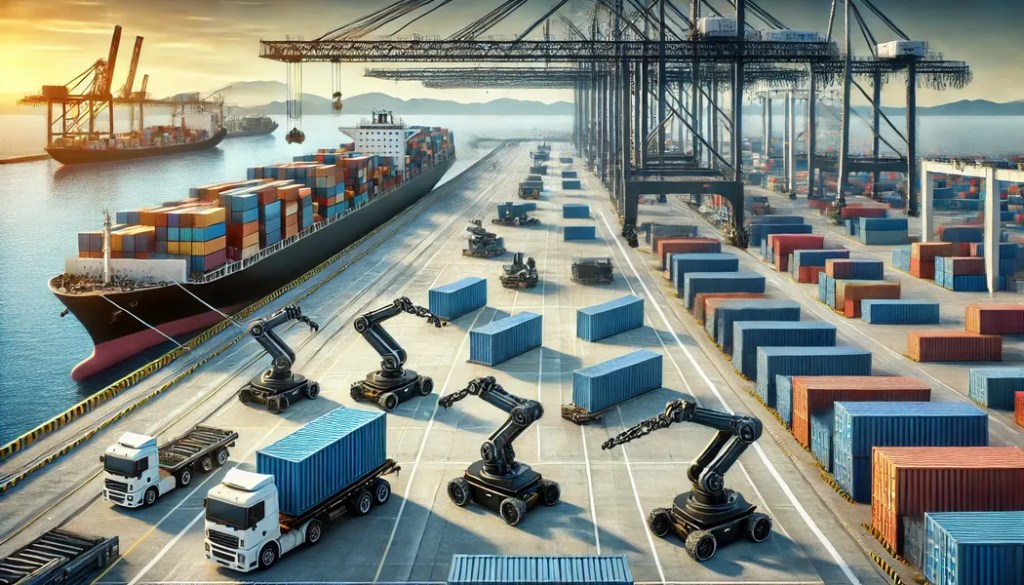
In an increasingly interconnected world, the global supply chain is a critical backbone of modern economies. However, recent geopolitical tensions and economic policies are causing significant shifts in this intricate web of production and trade. This article investigates the evolving landscape of the global supply chain, focusing on the impact of tariff wars, strategic economic alliances, and technological advancements. By examining these factors, we aim to understand the future trajectory of global trade and its implications for economic stability.
Tariff Wars and Chip Supply Chain Blockades
The geopolitical rivalry between the United States and China has intensified in recent years, with significant repercussions for global trade. Both the United States and Europe have increased tariffs on Chinese electric vehicles (EVs), a sector where China has established itself as a dominant player. This move is part of a broader strategy to curb China’s economic influence and protect domestic industries.
Simultaneously, the U.S. has implemented measures to block the supply of advanced semiconductor chips to China, aiming to stymie its technological advancement. The semiconductor industry is a cornerstone of modern technology, and cutting off China’s access to these critical components has far-reaching implications. The U.S. hopes to maintain its technological edge and safeguard national security by restricting chip supplies.
The implications of these actions are profound. Higher tariffs on Chinese EVs may lead to increased costs for consumers and disrupt supply chains dependent on Chinese manufacturing. The chip blockade, meanwhile, could hinder China’s technological progress, forcing it to seek alternative sources and invest in domestic production.
China’s Role in BRICS Plus
Amid these challenges, China has sought to strengthen its economic alliances through the BRICS Plus group, which includes Brazil, Russia, India, China, and South Africa, with potential expansion to countries like Turkey. This coalition leverages the strengths of its members to bolster their collective influence in global markets.
China, as the world’s largest car market and a leading exporter, plays a pivotal role in BRICS Plus. Brazil, with its vast commodities, particularly soy, contributes significantly to global food security. India, a rapidly growing energy consumer, has deepened its ties with Russia, importing increasing amounts of oil. Russia, in turn, benefits from these relationships by securing stable markets for its energy exports.
The BRICS Plus coalition is a formidable force in the global economy. By pooling resources and leveraging their respective strengths, these countries aim to counterbalance the dominance of traditional Western economic powers. This shift in economic alliances underscores the growing multipolarity of the global economy.
Technological Advancements in China
Despite facing restrictions from the U.S., China is making strides in technology. One of its strategies is to flood the market with older generation chips, ensuring a steady supply for various industries. Additionally, China is investing heavily in new technologies such as photonic chips, which have the potential to revolutionize the semiconductor industry.
Photonic chips use light instead of electrical signals to transfer data, offering significant advantages in speed and energy efficiency. While still in the development phase, these chips could provide China with a competitive edge in the tech industry. By diversifying its technological capabilities, China aims to reduce its dependency on foreign technology and secure its position as a global tech leader.
U.S. Strategic Response
In response to the potential threat of Chinese technological advancements and the broader geopolitical landscape, the United States is making strategic moves to safeguard its economic interests. One key initiative is the investment in domestic chip production. By bolstering its semiconductor manufacturing capabilities, the U.S. aims to reduce its reliance on foreign suppliers and ensure a stable supply of critical components.
Additionally, the U.S. is pursuing nearshoring strategies, relocating production to friendly countries in the Americas. This approach not only enhances supply chain resilience but also creates economic opportunities within the region. The U.S. is also seeking to reduce Taiwan’s strategic importance in the chip industry, anticipating potential conflicts in the region.
Potential Conflict Scenarios
One of the most pressing concerns in the current geopolitical climate is the potential for conflict over Taiwan. Taiwan is a crucial player in the global semiconductor industry, and any disruption in its production capabilities could have catastrophic effects on the global supply chain. If China were to blockade Taiwan, it would severely impact the supply of advanced chips, leading to widespread shortages and economic turmoil.
While a full-scale conflict is unlikely, the mere threat of such an action underscores the fragility of the global supply chain. Countries heavily dependent on Taiwanese semiconductors, including the U.S., would need to seek alternative sources or ramp up domestic production to mitigate the impact.
Future of the Global Supply Chain
The global supply chain is poised for significant fragmentation as countries reevaluate their dependencies and seek to enhance resilience. The trend towards regionalization, where countries prioritize local and regional supply chains over global ones, is gaining momentum. This shift is driven by the need to mitigate risks associated with geopolitical tensions and ensure greater control over critical resources.
New patterns are emerging, characterized by strategic alliances and diversification of supply sources. For instance, countries are increasingly looking to diversify their energy supplies to reduce dependence on any single source. Similarly, the push for technological self-sufficiency is leading to greater investments in domestic production capabilities.
Potential Dangers and Opportunities
The evolving supply chain landscape presents both dangers and opportunities. On the one hand, fragmentation could lead to inefficiencies and higher costs, as countries invest in duplicative production capabilities. The risk of supply chain disruptions due to geopolitical conflicts remains a constant threat.
On the other hand, the shift towards regionalization and diversification can enhance resilience and reduce vulnerabilities. Countries that successfully navigate this transition may emerge stronger and more self-sufficient. Moreover, technological advancements, such as China’s investments in photonic chips, hold the potential to reshape industries and create new economic opportunities.
Conclusion
The global supply chain is undergoing a profound transformation driven by geopolitical tensions and economic policies. The tariff wars, strategic economic alliances, and technological advancements are reshaping the landscape of global trade. While these shifts present significant challenges, they also offer opportunities for countries to enhance resilience and secure their economic futures.
As the world navigates this complex and dynamic environment, it is crucial to critically analyze the evolving trends and their implications. The future of the global supply chain will be defined by the ability of countries to adapt to new realities, leverage their strengths, and forge strategic partnerships. By doing so, they can ensure stability and prosperity in an increasingly interconnected world.

 EssayBoard
Leave a comment