

Vietnam, officially known as the Socialist Republic of Vietnam, is a nation with a rich tapestry of history, vibrant culture, and dynamic modern growth. Situated at the eastern edge of mainland Southeast Asia, Vietnam covers approximately 331,000 square kilometers and is home to over 100 million people, making it the world’s fifteenth-most populous country. With a history that stretches back millennia and a culture steeped in tradition, Vietnam offers a fascinating study of resilience, innovation, and cultural richness.
Historical Legacy
Vietnam’s history is a saga of power, resistance, and adaptation. Independent Vietnamese dynasties have ruled the region since around the 10th century AD, despite frequent invasions by larger powers such as China. The 19th century saw Vietnam becoming a part of French Indochina, marking a period of colonial rule that would shape much of its modern history. Following World War II, Vietnam was split into a pro-Western south and a pro-Soviet north, a division that precipitated the Vietnam War from 1955 to 1975. The war’s end saw the reunification of Vietnam under a socialist regime, setting the stage for future economic reforms and rapid modernization.

Cultural Richness
Vietnamese culture is a mirror reflecting its diverse influences and unique heritage. The traditional áo dài, a symbol of beauty and grace, is worn during important cultural and family events, encapsulating Vietnam’s strong ties to its past. Vietnamese cuisine, known for its balanced flavors, includes iconic dishes like phở, chả giò, and bánh mì, which emphasize freshness and simplicity.
Vietnam also celebrates an array of festivals, with Tết, the Vietnamese New Year, being the most significant. These celebrations are times for family reunions and reflection, deeply rooted in Vietnamese values and social norms where family and community play central roles.
Enriching the Cultural Narrative of Vietnam: Art, Literature, and Philosophical Influences
Vietnamese culture, with its deep-rooted philosophies and vibrant artistic expressions, offers a rich tapestry of traditions and innovations. Central to this cultural richness are the traditional festivals, clothing, and particularly the influences of Buddhism, Taoism, and Confucianism, which have profoundly shaped Vietnamese art and literature.
Philosophical Foundations of Vietnamese Culture
Vietnamese art and literature are intricately linked to the country’s dominant philosophical traditions: Buddhism, Taoism, and Confucianism. These philosophies not only influence the spiritual life of the Vietnamese people but also permeate their artistic expressions and literary themes. Buddhism, with its emphasis on the impermanence of life and the pursuit of enlightenment, often inspires themes of suffering, compassion, and tranquility in Vietnamese art and literature. Taoism brings a love of nature and harmony that can be seen in the flowing lines and serene landscapes of Vietnamese paintings. Confucianism, with its focus on morality, social responsibility, and respect for hierarchy, influences the narratives in literature and the depicted virtues in traditional arts.
Pioneers of Vietnamese Art
Vietnamese art has gained international recognition through the works of artists such as Nguyen Gia Tri, Le Pho, and Mai Trung Thu. These artists have been instrumental in introducing Vietnamese art to the world, each bringing their unique perspective and style.
- Nguyen Gia Tri is celebrated for his pioneering work in lacquer painting, a traditional Vietnamese art form. His works are noted for their intricate detailing and vibrant use of color, often incorporating elements from Vietnamese folklore and natural landscapes.
- Le Pho is known for his paintings that blend Eastern and Western artistic traditions. His work often features serene scenes and figures, reflecting the gentle essence of Vietnamese culture and the influence of French Impressionism.
- Mai Trung Thu, similarly, has a distinctive style characterized by the use of silk canvases, where he portrays daily life and Vietnamese landscapes with a poetic and tender touch. His work captures the simplicity and beauty of Vietnam, often highlighting the role of women and children.
Rich Tapestry of Vietnamese Literature
Vietnamese literature, with its long and storied history, offers insights into the nation’s soul. From the epic narratives of ancient times to the reflective prose of modern days, Vietnamese literature is a window into the struggles and aspirations of its people.
- The Tale of Kieu by Nguyen Du is a landmark in Vietnamese literature. This epic poem, based on a Chinese story, tells the tale of Kieu, a beautiful and talented woman who sacrifices herself for her family. The themes of loyalty, duty, and the moral dilemmas faced by Kieu resonate deeply with the Confucian values prevalent in Vietnamese society.
- The Sorrow of War by Bao Ninh, a poignant novel about the Vietnam War, explores the brutal impact of the conflict on the human spirit and the landscape of Vietnam itself. This modern work contrasts sharply with traditional stories, reflecting the deep scars left by contemporary historical events.
Reflection of Cultural Values and Social Change
The themes and styles of Vietnamese art and literature often reflect broader cultural values and societal changes. Traditional works emphasize communal values, respect for nature, and social harmony, adhering to the philosophical doctrines. In contrast, contemporary works may critique social norms, explore individualism, or question historical narratives, signaling shifts in societal values and the evolving landscape of Vietnamese culture.
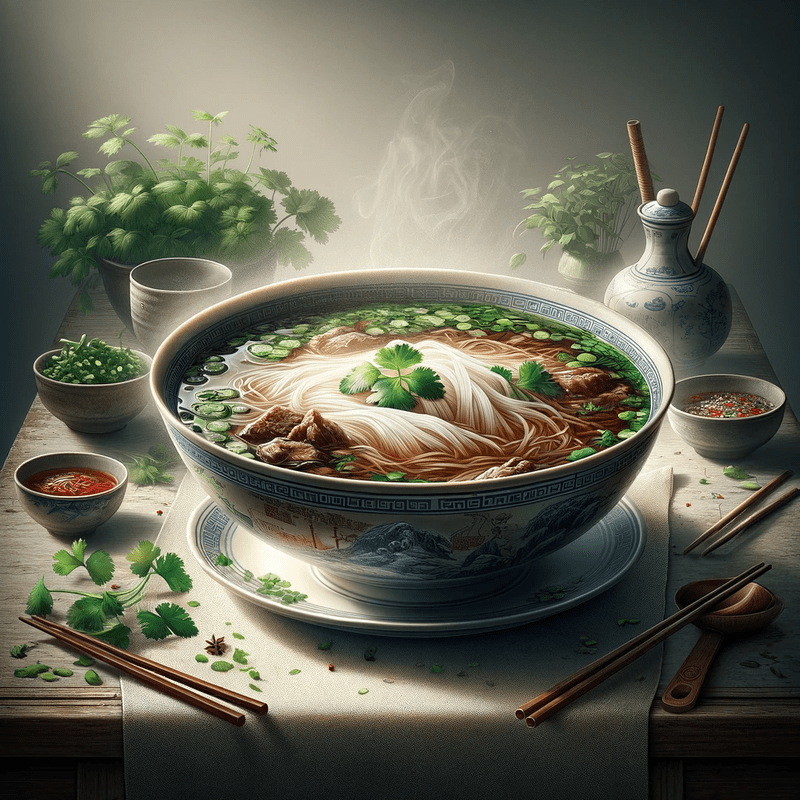
Deep Dive into Vietnamese Cuisine: Signature Dishes and Culinary Philosophy
Vietnamese cuisine is a rich tapestry of flavors and textures, deeply intertwined with the country’s culture and history. Here’s an exploration of some signature dishes and the underlying philosophy that shapes this unique culinary tradition.
Signature Dishes
- Phở: This iconic noodle soup, which originated from Northern Vietnam, includes rice noodles in a savory beef broth, often flavored with herbs like cilantro and basil. Phở’s preparation and enjoyment are considered art forms, reflecting the delicate balance of flavors that Vietnamese cuisine is known for.
- Bánh Mì: A product of French colonial influence, the bánh mì sandwich combines a crusty baguette filled with a variety of ingredients including seasoned pork, pâté, pickled vegetables, and fresh herbs.
- Gỏi Cuốn (Fresh Spring Rolls): These rolls are packed with greens, herbs, and often shrimp or pork, all wrapped in translucent rice paper. They are served with a hoisin or fish sauce-based dipping sauce.
- Bún Bò Huế: A spicy beef noodle soup from Central Vietnam, known for its rich and aromatic broth infused with lemongrass and topped with slices of beef and pork.
Culinary Philosophy
Vietnamese cuisine is profoundly influenced by the balance of the five elements of taste: sour, bitter, sweet, spicy, and salty. These tastes correspond to the five elements of nature—wood, fire, earth, metal, and water—which also connect to our senses of sight, hearing, smell, taste, and touch. This philosophy not only ensures a balance of flavors and nutrients but also aims to provide a harmonious dining experience that pleases all senses (A Bus On a Dusty Road).
The north, central, and south regions of Vietnam each have distinct culinary traditions that reflect their local cultures, ingredients, and historical influences. For instance, Northern Vietnamese cuisine is less bold in flavor compared to the more vibrant tastes of the South, which makes extensive use of fresh herbs, fruits, and coconut milk (Wikipedia).
Health and Sustainability
Vietnamese food is also valued for its health benefits, focusing on fresh ingredients and minimal use of oil. Meals typically comprise a variety of dishes that include fresh vegetables and herbs, rice or noodles, and a protein source, often cooked in a clear, flavorful broth. The cuisine reflects a communal eating style where dishes are shared at the table, promoting a sense of community and family.
Historical Influence
The cuisine has evolved through centuries of social change and political influences, including Chinese rule and French colonization, which introduced new ingredients and cooking methods to Vietnam. These influences have enriched Vietnamese cuisine, making it both complex and diverse (IIAS Asia).
Vietnamese cuisine offers more than just nourishment; it provides insight into the nation’s culture and history, making dining a truly cultural experience.
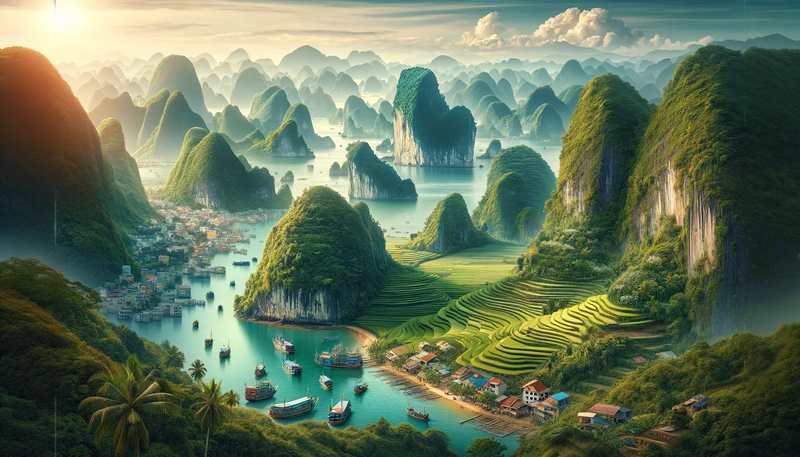
Natural Wonders
Vietnam’s geography is as diverse as its history. From the lush rice terraces of Sapa, a testament to agricultural ingenuity, to the dramatic limestone karsts of Ha Long Bay, Vietnam offers natural beauty that is both breathtaking and serene. The bustling life along the Mekong Delta highlights the vibrancy of rural Vietnamese life, where waterways form the backbone of daily activities.
Tourism Impact Analysis: Beyond Economic Benefits in Vietnam
Vietnam’s tourism industry has been a significant economic driver, contributing to job creation and infrastructure development. However, the broader impacts on local communities, the environment, and cultural identity warrant a nuanced examination.
Environmental Impacts
Tourism in Vietnam, especially in coastal areas, has led to both positive and negative environmental outcomes. On the one hand, it has spurred investments in environmental conservation and increased local awareness about the importance of protecting natural resources. Communities like Nhon Ly have adopted self-governing models to manage and protect their marine resources effectively, recognizing the long-term benefits of sustainable tourism practices (PLOS).
On the other hand, the rapid development of tourism infrastructure and the influx of tourists have put significant pressure on these natural resources. Issues such as pollution, deforestation, and the overuse of water and land are prevalent, especially in areas with high tourist traffic. This overdevelopment often leads to habitat destruction and biodiversity loss, challenging the sustainability of local ecosystems (PLOS).
Cultural Commodification
Vietnam’s rich cultural heritage is a major draw for tourists seeking authentic experiences. Community-based tourism (CBT) has been promoted as a way to preserve cultural identity while benefiting economically from tourism. This model allows local communities, particularly ethnic minorities in regions like Lai Chau and Hoa Binh, to showcase their traditions, crafts, and way of life, turning culture into a viable economic resource (Vietnam Travel).
However, there are risks associated with cultural commodification. As traditions and cultural practices become ‘products’ for tourist consumption, there’s a danger of diluting their authenticity. The pressure to cater to tourist expectations can lead local communities to alter or exaggerate cultural expressions, leading to a loss of genuine cultural practices (Vietnam Travel).
Social Changes
Tourism has undoubtedly transformed local communities. It brings a cosmopolitan influence to remote areas, introduces new income sources, and promotes global connectivity. Yet, this transformation is not without its challenges. The influx of tourists can disrupt local ways of life, increase the cost of living, and create social disparities. In some cases, it can lead to gentrification, where original residents can no longer afford to live in their communities due to rising costs (PLOS).
Moreover, the dependence on tourism makes local economies vulnerable to global economic fluctuations. This was evident during the COVID-19 pandemic when travel restrictions led to significant economic hardships for communities heavily reliant on tourism.
Moving Forward
For Vietnam to continue reaping the benefits of tourism while mitigating its adverse effects, a balanced approach is necessary. This includes enforcing environmental regulations, supporting genuine cultural exchanges, and ensuring that tourism development is inclusive and sustainable. Encouraging responsible tourism practices among both tourists and operators can help preserve Vietnam’s cultural and natural heritage for future generations.
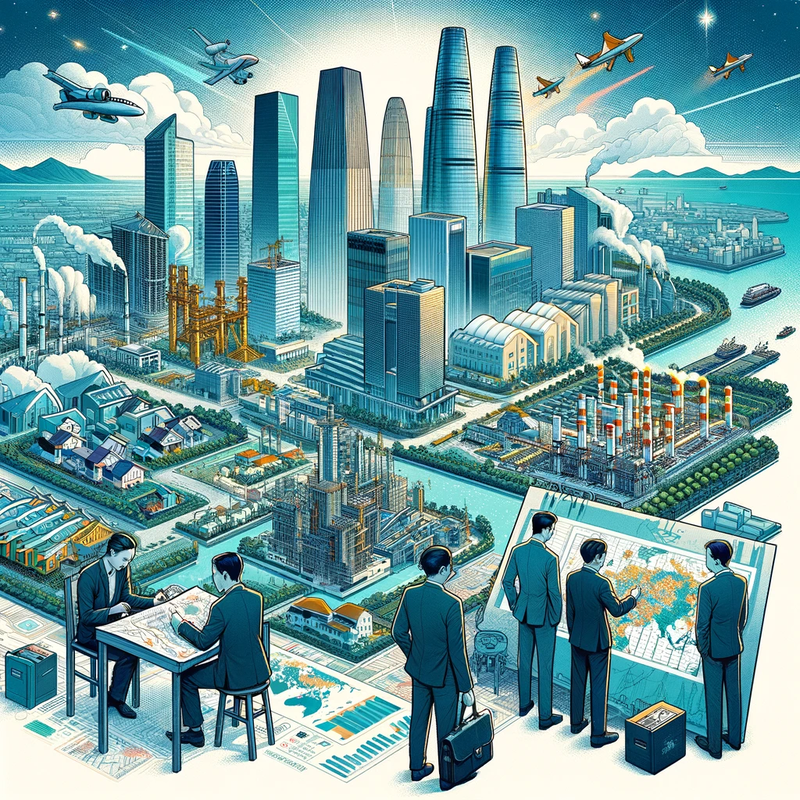
Economic Transformation
Since implementing the “đổi mới” economic reforms in 1986, Vietnam has been on a path of rapid economic development. It has become a magnet for foreign investment, with significant growth in the tech and manufacturing sectors. The economy is expected to continue its robust growth, propelled by strategic investments and an expanding industrial base.
Vietnam’s Economic Data and Future Outlook for 2024
Vietnam’s economic landscape in 2024 presents a picture of steady growth and positive prospects, despite some underlying challenges. Here’s a detailed overview of the current economic situation and the anticipated trends:
Economic Growth and Performance
Vietnam’s economy has shown a robust growth rate in the first quarter of 2024, with a GDP growth of 5.66%, driven largely by the manufacturing and services sectors. This marks a strong recovery from the previous year’s slower growth rate of 5.05% (Vietnam Briefing). The International Monetary Fund (IMF) projects that Vietnam’s economy could reach a total GDP of approximately US$469.7 billion by the end of 2024, maintaining its position as the fifth-largest economy in Southeast Asia (Vietnam Briefing).
Foreign Direct Investment (FDI)
FDI continues to play a crucial role in Vietnam’s economic dynamics, with a significant 13.4% increase reported in the first quarter of 2024. The country remains an attractive destination for foreign investors, particularly in high-tech sectors and manufacturing (Vietnam Briefing) (Vietnam+ (VietnamPlus)). In 2023, Vietnam observed a remarkable surge in FDI, totaling US$36.6 billion, a 132% increase from the previous year (KPMG).
Sectoral Contributions and Challenges
The manufacturing sector, alongside electricity production and distribution, has been pivotal in driving economic growth. The latter saw an 11.97% increase in the first quarter of 2024, significantly contributing to the overall economic performance (Vietnam Briefing). However, the mining sector experienced a contraction, impacting overall growth marginally (Vietnam Briefing).
Consumer markets in Vietnam are also seeing a resurgence, with e-commerce continuing to thrive and household spending expected to rise due to controlled inflation and enhanced consumer confidence (KPMG). The healthcare sector, boosted by a growing middle class and an aging population, is expanding, although the reliance on imported pharmaceuticals remains a challenge (KPMG).
Energy and Environmental Initiatives
Vietnam is making significant strides in renewable energy, aiming for a substantial increase in its energy mix by 2030. This shift towards renewable sources is part of Vietnam’s commitment to a Just Energy Transition, with long-term goals set for 2050 (KPMG).
Economic Challenges
Despite these positive indicators, Vietnam faces several challenges, including rising inflation and income inequality. The government is actively working to address these through various fiscal and social measures (Vietnam Briefing). Additionally, environmental concerns such as air and water pollution, and deforestation, continue to pose risks to sustainable growth (Vietnam Briefing).
Future Prospects
Looking ahead, Vietnam’s economic outlook remains optimistic, with growth expected to continue due to strong government reforms, favorable investment conditions, and a resilient and growing workforce. The focus on innovation, public investment, and export enhancement is likely to sustain economic momentum in the coming years (VCCI).
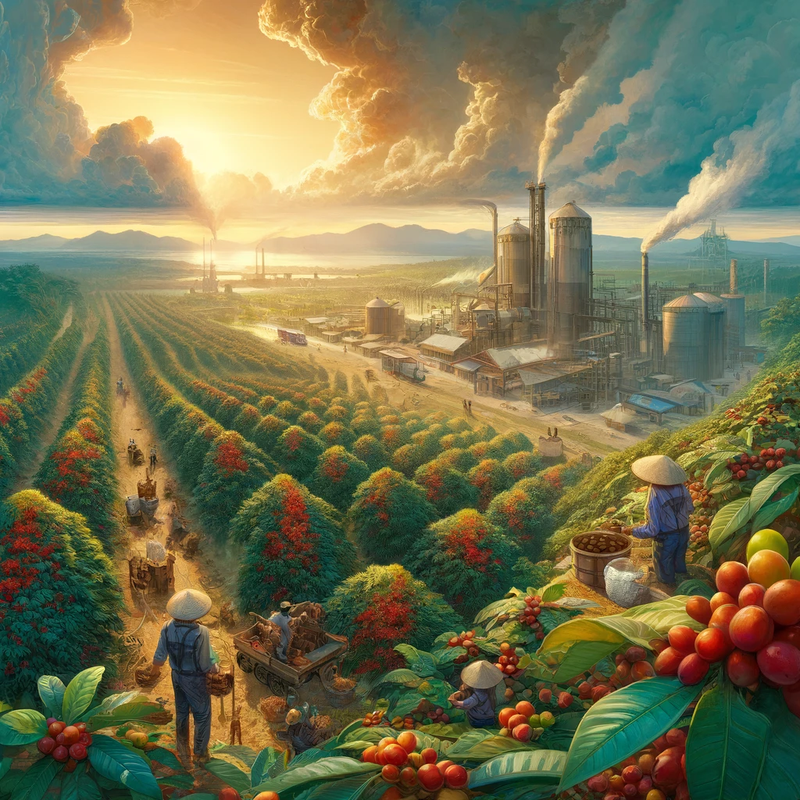
Vietnam’s Major Exports
Vietnam’s major exports in the agricultural sector showcase a dynamic and thriving aspect of its economy, especially in products like cashew nuts, black pepper, rice, coffee, tea, rubber, and fishery products. Here’s an overview of each major export commodity:
Cashew Nuts
Vietnam is the world’s leading exporter of cashew nuts, contributing significantly to the global market. In 2023, cashew exports to the United States amounted to approximately $885 million, reflecting a 5% increase from the previous year. This commodity represents nearly a quarter of Vietnam’s total export turnover for cashews (Source: Tradologie).
Black Pepper
Vietnam is also the world’s largest exporter of black pepper. Despite a drop in total volume, the country’s pepper export revenue rose by 3.9% year-on-year in 2023, reaching around $962 million. Vietnam’s pepper is highly regarded for its quality and is a significant product in its export portfolio (Source: Vietcetera).
Rice
Historically a major player in the global rice market, Vietnam has transitioned from being a net importer to one of the largest exporters of rice worldwide. The country’s strategic geographic and climatic advantages have supported its prominence in this sector (Source: Facts and Details).
Coffee
Vietnam ranks as one of the top coffee exporters globally, with robust growth in the sector due to favorable climatic conditions and strong global demand. The country primarily exports Robusta coffee, which is highly sought after for its strong flavor and suitability for instant coffee production (Source: VIOIT).
Tea, Rubber, and Fishery Products
Vietnam’s tea industry is notable for its high-quality green tea, which is exported to many countries. The tea sector is backed by favorable growing conditions and a focus on sustainable farming practices. Rubber and fishery products also represent significant sectors, with Vietnam being a top producer of rubber and a leading exporter of fishery products. These sectors are vital for the country’s economy, contributing significantly to food security and export earnings.
Electronics and Computers
Vietnam is a significant exporter of electronics and computer components, often exceeding US$1 billion in export value. These products represent a major portion of Vietnam’s export activities to the United States and other global markets (Source: Vietnam Briefing).
Textiles and Garments
The textile and garment industry is another critical sector, contributing significantly to the country’s export revenues. Vietnam is well-known for its textile products, which are exported worldwide, with continual growth expected in this sector (Source: Vietnam.vn).
Wood and Wood Products
Wood exports, including furniture and related products, have seen substantial growth, reaching billions in USD annually. This sector benefits from Vietnam’s rich forestry resources and strong manufacturing capabilities.
Footwear
Vietnam is also one of the top exporters of footwear. This sector has shown dynamic growth and is integral to Vietnam’s export economy, with products reaching major markets such as the EU and the USA.
Fruits and Vegetables
In recent years, Vietnam has significantly increased its exports of fruits and vegetables, particularly to China. Durian, for instance, has become a major export product, with significant growth observed in its export volumes and values.
Vietnam’s Education System: Current Status, Challenges, and Reforms
Vietnam’s education system has seen significant progress and reform, especially since the 1986 Doi Moi reforms. These reforms have helped improve access to education and have modernized the curriculum to better meet the needs of a rapidly developing economy.
Overview
The Vietnamese education system is structured into five levels: preschool, primary, secondary, high school, and higher education. The Ministry of Education and Training oversees this state-run system, which has been successful in achieving high enrollment rates across the country (International Education).
Recent Developments and Reforms
Vietnam has been focusing on reducing educational disparities and improving the quality of education. A significant law passed in 2018 aims to modernize higher education by improving academic quality and institutional governance, with the support of international partnerships like those with USAID. These initiatives are crucial as Vietnam aims to transition from a lower-middle-income to an upper-middle-income status by 2030 (USAID) (USAID).
Challenges
Despite progress, the education system in Vietnam faces several challenges:
- Resource Constraints: There’s still a significant need for more qualified teachers and better educational infrastructure (UNESCO).
- Inequitable Access: Disparities remain between urban and rural areas in terms of access to quality education. The poorest households and ethnic minorities often have lower educational attainment and fewer resources (World Bank Blogs).
- Rote Learning: The educational approach has been criticized for its emphasis on rote memorization, which may not adequately equip students with the critical thinking skills needed in today’s job market (UNESCO).
Efforts to Overcome Challenges
To address these challenges, Vietnam has implemented several strategic reforms:
- Curriculum Overhaul: Recent reforms aim to shift from traditional rote learning methods to a more competency-based approach that emphasizes critical thinking and practical skills (International Education).
- Professional Development for Teachers: There is a growing focus on enhancing the capacities of local institutions to provide continuous professional development and support for teachers, ensuring that they can meet new educational demands (Asia Society).
- Enhancing Equity: The government is making efforts to level the educational playing field by improving school readiness in remote regions, offering financial incentives, and minimizing social barriers to education (World Bank Blogs).
Looking Ahead
Vietnam’s education system is at a critical juncture, with the need to continuously adapt to the socio-economic transformations of the country. Ongoing reforms are geared towards creating an education system that not only boosts Vietnam’s economic growth but also ensures equitable access to quality education for all segments of the population.
These initiatives and changes underscore Vietnam’s commitment to fostering a well-educated, skilled workforce capable of thriving in an increasingly competitive global landscape. As these reforms continue to unfold, the potential for significant improvements in educational outcomes remains high, promising a brighter future for the next generations in Vietnam.
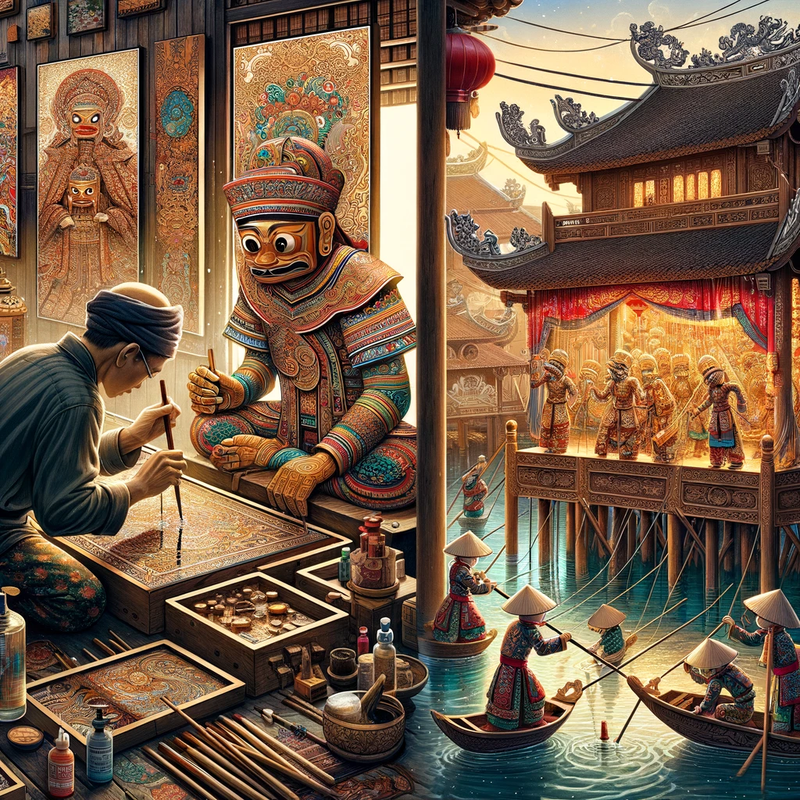
Vietnam’s Art and Literature
Vietnam’s art and literature scene beautifully blends traditional forms and modern expressions, reflecting its rich cultural tapestry and historical depth.
Traditional Arts
Vietnamese art is historically rooted in practices like lacquer art and water puppetry. Lacquer art, dating back to the 15th century, involves applying several layers of lacquer to create intricate and polished finishes. This art form is highly appreciated both locally and internationally for its aesthetic and complex craftsmanship. Water puppetry, which originated in the 11th century, is a distinctive Vietnamese art form that combines storytelling with a unique use of water as the stage, reflecting themes from Vietnamese folklore and daily life.
Modern Artistic Expressions
In contemporary settings, Vietnamese art has embraced more modern and global influences while maintaining a strong connection to its cultural roots. Artists like Nguyen Thanh Binh and Le Pho are notable for integrating traditional techniques with contemporary themes, often reflecting on Vietnam’s urbanization and social changes. These artists, along with others like the “Gang of Five,” have gained international acclaim, helping to put Vietnamese art on the global map. Their works are a testament to Vietnam’s dynamic art scene, which is increasingly recognized in international galleries and exhibitions.
Literature
Vietnamese literature has evolved significantly over the centuries, influenced by philosophical and cultural shifts. The traditional literature was heavily influenced by Chinese literary forms until the introduction of Quoc-ngu, the Romanized Vietnamese script, which revolutionized Vietnamese writing and literature. Modern Vietnamese literature, particularly post-1945, has explored themes from Vietnam’s complex history, including the impacts of war and colonialism. Writers like Bao Ninh and Duong Thu Huong are acclaimed for their works that delve into the nuanced and often painful tales of Vietnam’s past and its socio-political issues.
Vietnam’s rich tradition of folk literature and oral poetry also continues to influence contemporary literary works, providing a link between the past and present narratives that define the nation’s cultural identity.
The interplay between traditional and modern forms in both art and literature in Vietnam not only enriches its cultural landscape but also mirrors the broader socio-economic and political changes the country has experienced. This vibrant cultural scene is a crucial part of Vietnam’s appeal as a nation steeped in tradition yet dynamically engaged with the global community.
For more insights into Vietnam’s art and literature, you can explore detailed discussions and analyses available on platforms like Britannica and Vietnam-culture.com.
Technological Advancements in Vietnam: A Hub for Innovation and Growth
Vietnam’s tech industry has been growing rapidly, establishing itself as a significant player in the global technology landscape. Here’s an overview of the current state of technological advancements, major tech startups, and innovation hubs in Vietnam.
Technological Advancements
Vietnam is actively participating in the global shift towards Industry 4.0, integrating advanced technologies like AI, cloud computing, and fintech into various sectors. This integration is facilitated by the government’s significant investment in tech infrastructure, including modern factories and business models aligned with Industry 4.0 principles. The government is also fostering a digital economy with initiatives aimed at enhancing connectivity and e-commerce capabilities.
Major Tech Startups
The Vietnamese startup ecosystem is thriving, driven by strong local and international investment. Notable startups include:
- VNG Corporation: Often referred to as Vietnam’s first unicorn, VNG is a tech giant involved in online games, cloud services, and e-commerce.
- VinAI Research: Backed by Vingroup, this startup focuses on AI research and applications, pushing the boundaries of machine learning and deep learning technologies.
- Tiki.vn: Initially started as an online bookstore, Tiki has grown into one of Vietnam’s leading e-commerce platforms, showcasing significant growth in the tech-driven retail sector.
These startups are not only revolutionizing their respective domains but are also attracting substantial foreign investment, highlighting the global confidence in Vietnam’s tech potential.
Innovation Hubs
Vietnam houses several innovation hubs and tech parks that serve as catalysts for technological advancements:
- Saigon Hi-Tech Park (SHTP): Located in Ho Chi Minh City, SHTP is home to high-tech industries and research and development activities. It offers favorable conditions for tech firms, including tax incentives and state-of-the-art facilities.
- Hoa Lac Hi-tech Park: Situated near Hanoi, this park focuses on attracting investments in IT, biotechnology, new materials, and more. It aims to become a dynamic science and technology hub that contributes to the country’s economic development.
- Da Nang Hi-tech Park: Known for its strategic location and excellent infrastructure, this park supports high-tech industries and enhances the city’s economic efficiency.
These hubs are integral to Vietnam’s strategy to foster innovation and position itself as a leading tech powerhouse in Southeast Asia.
Future Outlook
The continuous development of these tech hubs, combined with governmental support and a young, tech-savvy workforce, positions Vietnam as a prominent leader in Asia’s tech industry. With ongoing advancements and an environment conducive to growth, Vietnam is set to further solidify its place on the global tech stage, driving innovation and economic growth.
Vietnam in Global Relations
Vietnam has been actively enhancing its role on the international stage, reflected through its evolving relationships with major powers, active participation in global organizations, and its strategic influence in regional geopolitics.
Relationships with Major Powers
Vietnam’s relationships with major global powers like the United States, China, and Russia are pivotal. The U.S. and Vietnam elevated their relationship to a “Comprehensive Strategic Partnership” in 2023, emphasizing cooperation in military, public health, and green technology sectors. This partnership aims to deepen educational, scientific, and technological exchanges between the two nations (The White House) (CSIS).
With China, Vietnam maintains a complex relationship, balancing economic cooperation with strategic autonomy, especially in light of territorial disputes in the South China Sea. The relationship includes elements of cooperation in areas such as rare earth minerals, despite underlying tensions (Lowy Institute).
Vietnam’s long-standing ties with Russia remain significant, although recent global geopolitical shifts, particularly concerning Ukraine, have impacted these relations, prompting Vietnam to diversify its defense and strategic partnerships, particularly with European countries (The Diplomat).
Participation in Global Organizations
Vietnam is a proactive member of several international organizations, including ASEAN, where it plays a crucial role in fostering regional cooperation. Its participation in APEC and recent activities in forums like the World Economic Forum (WEF) underscore its commitment to engaging in global economic governance and sustainable development initiatives (SVEF).
Influence in Regional Geopolitics
Vietnam’s geopolitical strategy, often described as “Bamboo Diplomacy,” emphasizes flexibility and pragmatism, allowing it to navigate complex international relations effectively. This approach includes a non-aligned stance in military alliances and a focus on economic and diplomatic engagement with all major powers (Lowy Institute).
Vietnam’s strategic location and economic growth have also enhanced its profile within Southeast Asia, making it an essential player in regional stability and economic discussions, particularly concerning issues like climate change, energy security, and sustainable development (SVEF) (The White House).
Overall, Vietnam’s international relations strategy is characterized by its dynamic engagement with global powers, active participation in international organizations, and strategic regional interactions, which collectively enhance its growing influence on the global stage.
Challenges and Prospects
Despite its successes, Vietnam faces numerous challenges, including environmental degradation, rapid urbanization, and issues of human rights. Efforts to combat these challenges include governmental interventions and international cooperation to ensure sustainable development and improve living conditions.
Vietnam’s role on the international stage is increasingly prominent. It maintains complex relations with global powers while actively participating in international organizations, reflecting its strategic importance in Southeast Asia.
Conclusion
Vietnam’s profound legacy and ongoing narrative on the global stage showcase its resilience and adaptability. This nation, rich in history and culture, continues to evolve, embracing modernity while maintaining its traditional roots. As Vietnam strengthens its international relationships and expands its technological and economic horizons, it remains committed to addressing internal challenges and enhancing its regional influence. Engaging with Vietnam’s diverse heritage and advancements offers valuable insights into a country that is both preserving its past and boldly forging a future.
Summary
“Exploring Vietnam: A Journey Through Time, Culture, and Modernity” offers a comprehensive overview of Vietnam’s historical evolution, cultural richness, and significant growth in the modern era. From its ancient dynasties and colonial experiences to the contemporary vibrancy of its art, cuisine, and global relationships, the article delves into the many facets that make Vietnam a unique and dynamic nation. It highlights Vietnam’s progress in technology, contributions to global relations, and the ongoing challenges and opportunities facing the nation today.

 EssayBoard
Leave a comment