
Introduction
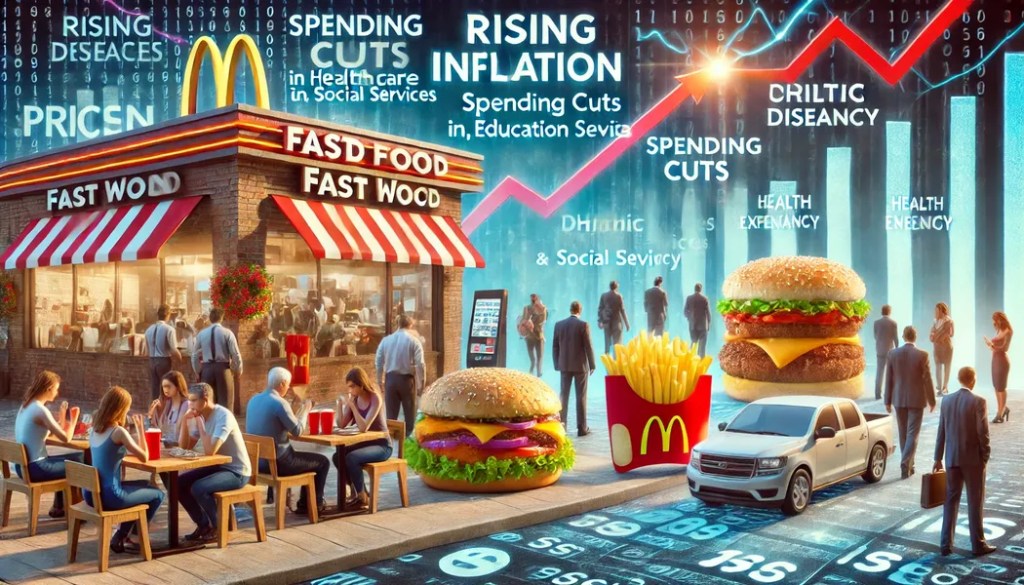
The global economy is facing a turbulent period characterized by rising inflation and economic uncertainty. As prices for goods and services soar, consumers are increasingly altering their spending habits to navigate this challenging landscape. This article delves into how these economic pressures are influencing consumer behavior, with a specific focus on fast food consumption trends, economic choices, spending cuts in various sectors, public opinion on these cuts, and the health implications of these changes.
Fast Food Consumption Trends
In the face of rising inflation, fast food chains like McDonald’s have witnessed a significant increase in foot traffic. Despite higher prices, these establishments are attracting more customers than ever. The pandemic played a crucial role in this shift, as many consumers turned to digital ordering and delivery services, a trend that has persisted even as lockdowns have eased. The convenience and affordability of fast food have become key drivers of its popularity.
Consumers are increasingly turning to fast food for several reasons. Firstly, fast food offers an affordable dining option compared to sit-down restaurants and even home-cooked meals, given the rising costs of groceries. Secondly, the convenience factor cannot be overstated. With busy lifestyles and limited time, fast food provides a quick solution for meals on the go. Lastly, fast food chains have effectively marketed their offerings as providing good value for money, often bundling meals into cost-effective deals that appeal to budget-conscious consumers.
Economic Pressures and Consumer Choices
Inflation has dramatically impacted dining choices, pushing many consumers towards fast food options. The rising costs of ingredients and utilities have made home-cooked meals more expensive, prompting people to seek out cheaper alternatives. Fast food chains have capitalized on this by offering promotions and loyalty programs that provide discounts and rewards, helping to retain customers even as prices rise.
Promotions such as limited-time offers, combo meals, and digital coupons have become powerful tools for fast food chains. Loyalty programs that reward frequent customers with discounts or free items have also proven effective in maintaining customer engagement. These strategies have helped fast food chains remain competitive and attractive amidst the economic crunch.
Spending Cuts in Other Areas
As consumers adjust their spending habits, noticeable cuts are being made in areas like healthcare. Many Americans are reducing their healthcare expenditures, choosing to forgo routine check-ups and elective procedures to save money. This trend has significant implications, potentially leading to deteriorating public health and higher long-term healthcare costs due to untreated conditions.
On a broader scale, proposed federal budget cuts are targeting essential programs, including education, social security, and other social services. Reductions in funding for education can hinder the quality of schooling and limit opportunities for future generations. Cuts to social security and social services threaten to undermine the safety nets that many rely on, exacerbating economic inequalities and placing additional strain on vulnerable populations.
The potential long-term impacts of these spending cuts are profound. Reduced access to education and social services can lead to increased poverty and decreased social mobility. The erosion of these support systems can also exacerbate public health issues, as individuals struggle to afford necessary medical care and other essentials.
Public Opinion on Spending Cuts
Public sentiment towards spending cuts is complex. While there is significant support for reducing defense spending and reallocating those funds to social programs like healthcare and education, opinions are divided on the broader issue of spending cuts. Many Americans believe that defense spending is disproportionately high and that reallocating a portion of this budget could address critical domestic needs.
The debate around the debt ceiling and the necessity of spending cuts as part of any increase is another contentious issue. Some advocate for spending cuts as a means to manage national debt, while others argue that such cuts could hinder economic recovery and growth. The challenge lies in balancing fiscal responsibility with the need to support essential public services and promote economic stability.
Health Implications
The shift towards increased fast food consumption has significant health implications. Fast food is often high in calories, fats, sugars, and sodium, contributing to the rise in chronic diseases such as obesity, heart disease, and diabetes. These conditions are exacerbated by the reduction in healthcare spending, as individuals are less likely to seek medical care or manage chronic illnesses effectively.
The United States has seen a decline in life expectancy, a trend that is linked to poor diet, reduced healthcare access, and broader economic factors. The combination of increased fast food consumption and decreased healthcare access creates a vicious cycle, where health deteriorates, leading to higher healthcare costs and further economic strain.
Conclusion
The current economic pressures are significantly shaping consumer behavior, driving many towards fast food as a cost-effective and convenient dining option. However, this shift comes with health risks and reflects broader economic challenges, including rising inflation and spending cuts in critical areas like healthcare and education.
Addressing these issues requires comprehensive strategies that go beyond immediate economic relief. Improving access to healthy food options, making healthcare more affordable, and addressing social and economic inequalities are essential steps. Policymakers and stakeholders must work together to create a balanced approach that supports economic stability while promoting public health and well-being.
The impact of economic pressures on consumer behavior is profound and multifaceted. As we navigate this period of uncertainty, it is crucial to understand and address the underlying factors driving these changes to foster a healthier, more equitable society.

 EssayBoard
Leave a comment