
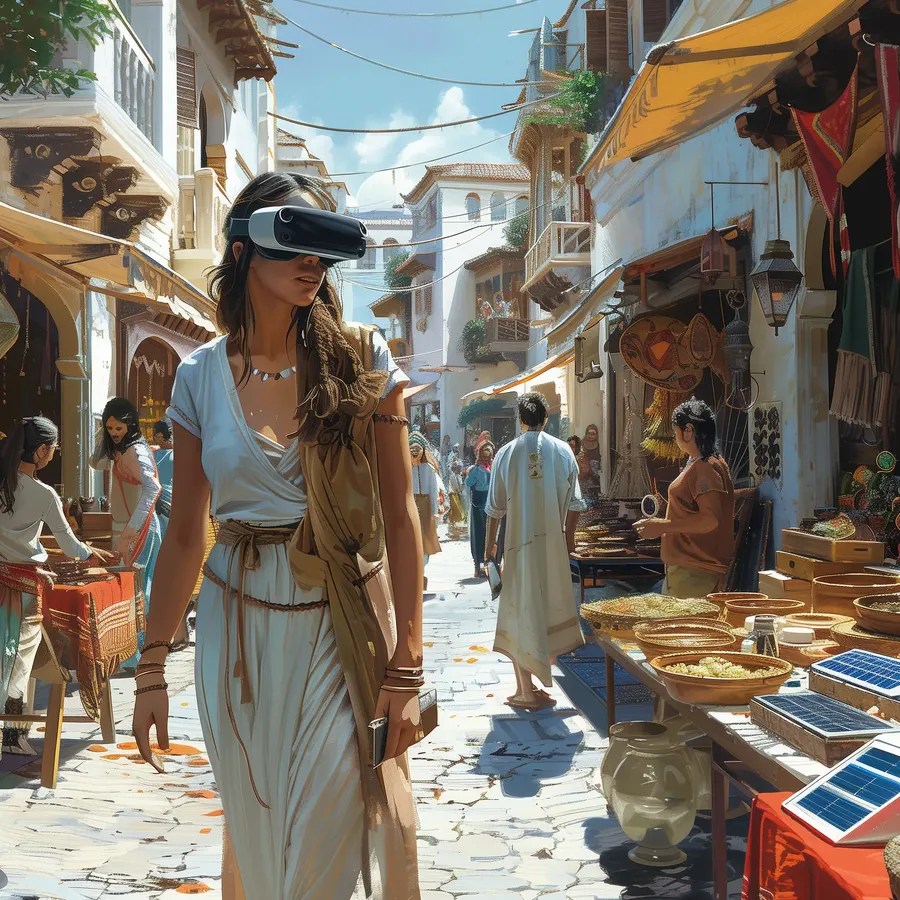
In a world where globalization has blurred boundaries and technology has made distances seem insignificant, the role of the traveler has evolved beyond mere exploration. Travelers today are not just nomads seeking adventure; they are ambassadors of cultural exchange, catalysts for sustainable tourism, and pioneers of a connected world.
While traditional tourism focused on ticking off landmarks from a bucket list, the modern traveler seeks authentic experiences, immersing themselves in local culture, and supporting communities. This shift has led to the rise of responsible travel, where conscious choices are made to minimize the negative impact on the environment and maximize the benefits for local people. The concept of “Voluntourism” is a prime example, where travelers contribute to projects ranging from teaching English to building houses with organizations like Habitat for Humanity, embodying the spirit of community improvement and cultural immersion. This echoes the practices of the Grand Tour in the 17th and 18th centuries, an early form of cultural exchange, now made accessible to a wider audience and reflecting a deepened commitment to global stewardship.
One of the most exciting developments in the world of travelers is the concept of “Digital Nomadism.” As remote work becomes increasingly common, more people are choosing to combine work and travel, leading to a new breed of professionals who can work from anywhere in the world. This trend not only offers individuals the freedom to explore different cultures while maintaining a career but also boosts the economies of destinations that cater to this growing demographic. Nations like Estonia have recognized this potential, launching Digital Nomad Visas to attract these modern workers. Coworking spaces around the globe, such as Hubud in Bali and Punspace in Chiang Mai, have become community hubs, underlining the symbiotic relationship between digital nomads and local economies. This lifestyle’s growth, anticipated to reach over 1 billion digital nomads by 2035, modernizes the ancient tradition of nomadism, emphasizing flexibility and connectivity.
Furthermore, with the advancement of technology, we are witnessing the rise of virtual tourism. Virtual reality (VR) and augmented reality (AR) are enabling people to visit destinations from the comfort of their homes, opening up a whole new world of possibilities for those who are unable to travel physically. Museums like the Louvre and the Smithsonian offer virtual tours, broadening access to cultural treasures. Platforms such as Google Earth VR invite users into immersive 3D explorations of global destinations, fostering a deeper understanding of diverse cultures and environments. This digital exploration represents a natural extension of humanity’s age-old curiosity, as exemplified by explorers like Marco Polo and Ibn Battuta, now realized through the lens of technology to reach the unreachable.
As we look towards the future, it is clear that the role of the traveler will continue to evolve alongside societal changes and technological advancements. From sustainable practices to digital innovations, travelers are at the forefront of shaping a more connected and inclusive world. The ongoing growth of sustainable tourism, powered by global environmental awareness, and the integration of sensory experiences in virtual tourism, signal a future where travel experiences are not only more personal and diverse but also more accessible and responsible.
So, whether you are a wanderlust enthusiast, a digital nomad, or a virtual explorer, remember that your journey goes beyond just visiting new places – it is a transformative experience that has the power to impact lives, bridge cultures, and shape the future of travel. Embrace the spirit of adventure, embody the values of responsible tourism, and seize the opportunities that technology offers. For in a world where borders are becoming increasingly blurred, it is the traveler who holds the key to unlocking a future where diversity is celebrated, connections are forged, and the world truly becomes a global village. Through a commitment to cultural exchange, sustainable development, and technological innovation, travelers today are not just exploring the world—they are shaping its future.
Embrace the spirit of adventure, embody the values of responsible tourism, and embrace the opportunities that technology offers. For in a world where borders are becoming increasingly blurred, it is the traveler who holds the key to unlocking a future where diversity is celebrated, connections are forged, and the world truly becomes a global village.
In a world shaped by globalization and technology, the role of the traveler has transformed into that of cultural ambassadors, sustainability advocates, and pioneers of connectivity. Modern travelers prioritize authentic experiences and responsible travel practices, supporting local communities while minimizing environmental impact. The rise of digital nomadism allows professionals to combine work and travel, fostering economic growth in destinations catering to remote workers. Additionally, virtual tourism powered by technology enables global cultural exchange and accessibility. As travelers continue to evolve alongside societal changes and technological advancements, they play a vital role in shaping a more connected and inclusive world. This transformative journey transcends physical boundaries, impacting lives, bridging cultures, and shaping the future of travel towards a more diverse and interconnected global village.

 EssayBoard
Leave a comment